From familiar names to quieter corners, explore the settings that give a journey its character. Begin with a place; leave room for what unfolds around it.
Deep in Uttara Kannada's forests, Ulavi brings Lingayat history into a quiet pilgrimage setting. The shrine associated with Channabasavanna invites thoughtful conversations about devotion, equality and the meaning of a sacred landscape.
A closer look
An informed interpreter can place the shrine within its living tradition, using selected vachanas to open a conversation about belief and everyday conduct. Time for quiet observation matters as much as explanation; any introduction to a religious practitioner would depend on their willingness and availability.
Ulavi's quieter scale makes room for questions about how a tradition passes knowledge between generations. The surrounding forest is part of the encounter's atmosphere, while the shrine's meaning comes from the community that continues to hold it sacred. A local meal may extend the conversation where a suitable host welcomes it.
Limestone formations and sacred narratives meet in the forest caves around Ulavi. Akala Gavi and Akka Nagamma offer contrasting ways to consider water, rock and the stories people attach to underground places.
A closer look
Choose an approved section with a knowledgeable local guide. Rock textures and water marks can illuminate the landscape's formation, while devotional associations provide a separate cultural perspective. Access, ladders and narrow passages vary, so the particular cave and walking demands need careful selection.
The appeal lies in examining two kinds of interpretation without confusing them: the slow action of water on limestone, and the narratives through which a community understands particular chambers. Suitable sections can support a rewarding encounter without attempting a complete circuit or the most physically demanding passages.
Butterflies, host plants and shifting forest light reward close attention around Ulavi and Joida. This Western Ghats landscape invites a slower encounter with the small relationships that sustain an extraordinary ecosystem.
A closer look
A naturalist can help connect caterpillars with food plants, distinguish warning colours from camouflage and interpret wing patterns through photographs. Southern birdwing and Malabar tree nymph are recorded in the wider region, although any particular species or gathering remains a possibility rather than an expectation.
Attention to a single patch of vegetation can reveal more than a hurried species list. Look for where insects feed, where they find shelter and how different observers notice different details. Comparing photographs afterwards can deepen identification while keeping the uncertainty of a wild encounter intact.
Around Ganeshgudi, a forest encounter begins with listening. Bird calls, fruiting trees and movement in the canopy bring the landscape into focus, while Old Magazine House provides an established naturalist-led setting.
A patient birding visit can reveal feeding behaviour and the relationships between birds and plants. Authorised campus trails may offer another perspective after dusk. Day visits, overnight arrangements and any evening programme require confirmation with the property; the forest determines what appears.
A distant call or a brief movement may be the beginning of an explanation rather than a missed sighting. Following a naturalist's reasoning makes the visit absorbing even when wildlife stays partly hidden. The most valuable moments often come from remaining still long enough to understand what the habitat offers.
The Kali River offers a fluid perspective on Dandeli's forest country. Riverbank vegetation, birdlife and the distinctive handling of a coracle turn time on the water into an absorbing encounter with place.
A suitable operator can select a route around river conditions and explain how local boats respond to the current. Wildlife observation belongs within approved areas, with crocodile viewpoints considered separately. Different activities in the wider Kali Tiger Reserve landscape follow their own access rules.
The round form of a coracle adds a practical engineering question to the experience: how does shape affect balance and handling? A river host can connect this with vegetation, birdlife and the uses of the banks, allowing the boat itself to become part of the interpretation.
A traditional khanavali introduces North Karnataka through jolada rotti, vegetables, pulses and chutneys. In Hubballi, an everyday meal becomes a generous conversation about grains, skilled hands and regional hospitality.
A closer look
An accompanying host can explain how the dishes work together and why sorghum dough behaves differently from wheat. Where a kitchen welcomes it, watching rotti take shape adds a tactile lesson. Any demonstration should fit the establishment's working rhythm, with a tasting equally rewarding on its own.
Rotti-making is especially revealing when a cook explains how touch and experience guide a dough that behaves differently from wheat. Compare the bread with its accompaniments, noticing how texture and flavour work together. The encounter remains grounded in an ordinary kitchen rather than an elaborate culinary performance.
Dharwad's celebrated milk sweet makes a small but revealing food encounter. Reduction, heat and constant attention transform familiar ingredients into peda, connecting flavour with a maker's finely developed sense of timing.
A closer look
A producer willing to receive visitors can explain texture, moisture and browning through the work actually under way. Compare a freshly explained preparation with the finished sweet. Production access is a separate arrangement; a carefully chosen tasting can carry the story when kitchens remain private.
Watching a maker judge readiness can open a wider question about the relationship between instruments and experience. Colour and texture may tell a skilled cook what a written recipe cannot fully convey. A short encounter gains depth when tasting follows an explanation of those choices.
Near Gadag, Lakkundi offers an intimate encounter with Deccan temples and water architecture. Its stepped tanks and carved structures reveal how belief, practical ingenuity and civic life once shaped a settlement.
A few buildings explored closely can be more revealing than a rapid circuit. Consider how people reached changing water levels, how shade affected public space and how patronage shaped construction. A guide can connect these details with the locality's history; festival visits depend on their actual calendar.
A sketch of a stepped tank can help make the relationship between access and changing water levels visible. Compare that practical design with the nearby sacred architecture, considering how the same settlement invested in both. Lakkundi's quieter scale encourages a conversation that can develop beyond a quick architectural overview.
Red sandstone cliffs frame Badami's rock-cut sanctuaries and Agastya Lake. Carved pillars, religious imagery and rooms excavated from living rock make this a compelling place to examine architecture as an act of removal.
Begin with the stone, then consider how sculptors planned a chamber before cutting its interior. Selected details reveal the decisions of artists and patrons. A heritage guide can distinguish evidence from later stories, with time to sketch, compare and absorb the setting away from protected surfaces.
Choosing one sculptural detail can make the scale of the work easier to grasp. Ask how it relates to neighbouring images, pillars and the space around it, then consider the sequence in which material might have been removed. The lake and cliffs help place that effort within a larger landscape.
Pattadakal's UNESCO-listed temples bring contrasting architectural forms into one remarkable ensemble. In the Malaprabha valley, towers and ground plans invite a close reading of artistic exchange, patronage and religious imagination.
Choose a small number of contrasting shrines and compare how each directs the eye and shapes movement. An informed guide can explain why builders adapted different forms without reducing the visit to dates and dynasties. Pattadakal and Badami offer complementary perspectives on the northern Deccan.
The differences between towers and plans can become a way to discuss cultural exchange and the choices of patrons. Why might one form be adopted, adapted or placed alongside another? Looking at a small number of buildings closely allows those questions to remain concrete rather than abstract.
Ilkal saris and Guledgudda khana fabrics express North Karnataka through colour, texture and woven structure. These working craft towns reveal how regional identity is carried in cloth and sustained through skilled repetition.
A closer look
A cooperative or artisan visit can follow a design from individual threads to a finished textile. Loom demonstrations and any supervised practice depend on the host and equipment. Conversation about household work, markets and apprenticeship gives the making a human context, with teaching time recognised separately from purchases.
The encounter can move from the pleasure of a finished sari or khana textile to the preparation hidden behind it. Thread selection and the relationship between memory and movement offer particularly engaging questions. An artisan's account of sustaining a livelihood gives the beauty of the fabric a fuller context.
Beside the Tungabhadra, the former Vijayanagara capital unfolds through temple streets and royal remains. Hampi invites you to imagine an inhabited city of traders, pilgrims, artisans and officials within its dramatic granite landscape.
A thoughtful walking circuit can connect selected monuments with accounts of trade, worship and power. Follow one question in depth, allowing pauses in the shade and room for uncertainty where evidence is incomplete. The interest lies in how the city lived as much as what survives.
Imagining the route of a trader or pilgrim gives the ruins a human scale. Temple streets and royal spaces can then be compared through purpose, movement and the forms of authority they expressed. The boulder landscape and river remain part of that urban story, rather than simply its dramatic backdrop.
Tanks, channels and weathered granite reveal another Hampi: a city shaped by water and terrain. This landscape rewards questions about gravity, engineering and the practical intelligence behind a flourishing capital.
Trace a permitted section of water infrastructure, then examine rock formations along an approved path. Sketches can help explain levels and distribution without touching protected structures. Musical pillars belong to the heritage story, but should be understood through interpretation rather than striking or testing them.
A paper model can clarify an idea about gradient or distribution after the site visit, keeping experimentation away from protected remains. The weathered granite invites a different timescale from the built channels and tanks. Together they make Hampi a place to consider the meeting of human planning and natural form.
In Anegundi, banana stems become rope and woven objects through a documented women-led craft tradition. An artisan encounter connects the Tungabhadra landscape with design, resourcefulness and the livelihoods behind handmade work.
A closer look
Prepared fibres reveal the work between plant and finished object. Where makers welcome participation, a short twisting or weaving exercise offers an immediate feel for the material. The particular workshop, teaching format and availability should be agreed directly, with conversation guided by what artisans wish to share.
The material's resistance and texture become more memorable when handled in a task chosen by the maker. Ask how prepared fibres differ from the original stem and how a design responds to those qualities. Cooperative work and the passing of skills to younger makers can give the session a wider social dimension.
Anegundi's village streets offer an intimate counterpoint to Hampi's monuments. A hosted meal can reveal regional ingredients, household traditions and the everyday conversations that give a historic settlement its continuing life.
A closer look
A willing cook may share one preparation before a meal, allowing ingredients, festivals and changing food habits to lead the conversation. Such encounters depend on genuine hospitality and advance agreement. Hosts should be compensated for their time, ingredients and teaching rather than asked to perform a fixed script.
A kitchen conversation can move naturally from one dish to festivals, ingredients and the recipes a household chooses to preserve. The most interesting account may be an ordinary one, shaped by daily choices rather than heritage labels. Allow the hosts' own interests to guide what they share.
Chitradurga's hill fort turns a walk into a study of defence, landscape and water. Gates, strategic turns and reservoirs invite you to consider the ingenuity required to sustain a fortified settlement.
A guide can connect the built defences with the advantages of the natural terrain and the stories preserved in local memory, including Obavva's courage. Select a route suited to the day's heat and preferred effort, leaving time to examine details rather than simply reach the highest point.
Before hearing an explanation, consider why a gate turns, why a wall follows a ridge or why water was stored in a particular place. These practical questions make the architecture legible. Local memory then adds another dimension, showing how a fort becomes meaningful beyond its military purpose.
At Halebidu, intricate sculpture opens a window onto the Hoysala world. Part of the UNESCO-listed Sacred Ensembles of the Hoysalas, Hoysaleswara Temple rewards the kind of attention that lets one carving become an entire conversation.
Look closely at movement, ornament and the relationship between neighbouring scenes. A strong interpreter can connect artistic choices with patronage and belief while acknowledging competing readings. The richness lies in a few carefully explored details, approached with patience and respect for the monument.
A sculpted figure can invite questions about expression and movement that are accessible without specialist knowledge. Trace its relationship to a frieze or neighbouring scene, then consider what a viewer might have recognised. This patient approach lets the density of the work become engaging rather than overwhelming.
Belur combines Hoysala craftsmanship with the continuing rhythm of worship. Within the UNESCO-listed ensemble, Chennakeshava Temple offers a thoughtful encounter with carved stone, movement and a sacred building that remains actively used.
Compare selected architectural features with the living practices around them. A guide can help distinguish what sculpture reveals from what worshippers bring to the space today. Belur and Halebidu can form a coherent conversation, while observation and any participation follow local rules and personal preference.
A building that remains in use is experienced differently from a monument observed only as an object. Notice how movement and attention change within the sacred setting, while allowing worshippers room for their own purposes. The contrast adds depth to architectural study without making devotion itself a spectacle.
Coffee estates soften the hills around Sakleshpur, inviting a slower encounter with cultivation and local hospitality. Walk among working plants, compare aromas and discover how an estate's decisions shape the cup.
A closer look
An estate host may introduce fruit, dried material or roasted beans according to what is available, followed by a tasting or meal. Processing and harvest demonstrations must follow real work rather than a staged season. Surrounding crops and household stories give the visit depth beyond coffee alone.
The estate's wider planting can open questions about how coffee shares space with other crops and how a grower responds to changing conditions. Comparing available stages of the bean makes processing tangible. A tasting is most rewarding when the host's explanation connects flavour with decisions made long before roasting.
Agumbe's rainforest country rewards curiosity at a smaller scale. Leaves, insects, fungi and signs of animal life reveal how moisture, camouflage and interdependence shape one of the Western Ghats' distinctive landscapes.
A guided forest-edge walk can move slowly enough for questions and close observation. Authorised evening exploration or a conversation with a researcher would require separate confirmation. Elusive wildlife, including snakes, remains part of the ecosystem's possibility rather than the measure of a successful encounter.
Small observations can reveal an entire network: a leaf damaged by feeding, moisture held on a surface or camouflage that is only apparent after someone points it out. Give these details time. The pleasure comes from learning how to notice, rather than expecting the forest to produce a dramatic encounter.
Above the hills near Agumbe, Kundadri's Jain temple offers a contemplative pause within the Western Ghats. The approach, elevation and outlook create space to consider restraint, non-violence and the relationship between worship and landscape.
A closer look
An informed interpreter can introduce Jain ideas without asking visitors to adopt a practice. A suitably paced ascent and quiet time at the summit may be complemented by a practitioner conversation when welcomed. The encounter can remain reflective, shaped by the place rather than a prescribed ritual.
The approach can be part of the reflection, revealing how distance, elevation and outlook affect the feeling of arriving at a shrine. Jain ideas offer a distinct perspective within the region's religious diversity. A simple pause may be as valuable as an extended discussion, depending on the atmosphere of the day.
Channapatna's turned, lacquered toys bring colour and mechanics into the same conversation. A spinning top or moving figure reveals how shape, balance and a maker's trained judgement transform a simple piece of wood.
A closer look
Artisanpride's programmes provide a starting point for arranging a workshop. Sketching, colour exploration and suitable assembly or finishing can complement demonstrations, with machine work left to the artisan. Age suitability, group format and the exact practical tasks require agreement with the workshop before visiting.
A spinning top makes questions about balance immediate: alter a sketch, compare shapes and ask the artisan what would happen. Making becomes a dialogue between an idea and practical knowledge. The aim is to understand the choices behind the toy, with activity adapted to the participant and the workshop's rules.
Small painted Ganjifa cards connect Mysuru's courtly art with storytelling and play. An artist-led encounter offers a richly detailed way to explore imagery, patient brushwork and the ideas a game can carry.
A closer look
A practising artist may introduce materials and motifs before guiding a design on a separate practice surface. An explanation of play can complement the painting where a suitable teacher is available. This is a commissioned learning possibility, not an assumption that a public workshop operates daily.
Working on a modest practice surface can make the artist's patience and control newly apparent. A single motif offers room to discuss symbolism, colour and the connection between a painted object and play. The encounter can remain deeply engaging without attempting to reproduce a complete traditional set.
A specialist studio can make chocolate both a pleasure and an experiment. Bengaluru offers a setting to explore temperature, texture and flavour through the practical choices that distinguish a carefully made confection.
A closer look
Chocolate Philosophy is one documented studio lead for making and tasting. A private session could connect tempering with process control and sensory comparison, with its content, age suitability and minimum format agreed beforehand. A studio workshop is distinct from observing a factory or visiting a cacao farm.
Temperature and texture can be explored through a few carefully chosen comparisons rather than a complicated recipe. Ask why one preparation behaves differently from another and how a chocolatier recognises the desired result. The studio setting makes food a practical route into careful observation and sensory judgement.
Mysuru's silk tradition connects lustrous cloth with design, labour and royal patronage. An approved production visit offers a material story that moves from individual threads towards the character of a finished textile.
A closer look
The KSIC factory is a documented visitor lead, subject to current permissions and the processes available to observe. Compare silk with cotton or other fibres to make the transformation tangible. Practical weaving or production-floor participation would be separate arrangements, never an assumed part of a visit.
The textile can be read through touch as well as appearance, comparing how silk responds beside other fibres already encountered. Production also opens questions about design, skilled labour and changing demand. A guide's explanation should connect those human decisions with the technical sequence visible on the day.
Pilgrimage streets and coastal life sit closely together in Gokarna. Tanks, stalls, temples and waterfront spaces reveal how a landscape can hold spiritual significance while remaining part of ordinary daily life.
A sensitive interpreter can explain public worship, sacred narratives and the meanings of particular places without intruding on private rites. A gentle coastal walk may complement the town. Observation should follow local guidance, especially where ceremonies involve mourning or intimate moments.
Dawn can offer an illuminating perspective when conditions and local practice allow, as different uses of streets and waterfront come into view. The guide's role is to make these relationships understandable without turning every action into an explanation. Leaving time for quiet observation preserves the character of the place.
Yana's striking rock formations rise from a forested setting with a sacred cave shrine. The approach offers space to consider geological processes alongside the stories that give unusual landscapes a place in local belief.
A naturalist and cultural interpreter can offer distinct readings of the same setting, respecting both without confusing them. Follow approved paths and allow time for textures, shapes and forest observations. Walking length and access should respond to current conditions and the desired level of effort.
The walk should not be reduced to reaching the formations as quickly as possible. Changes in vegetation and the first glimpses of the rocks can build an understanding of the setting. At the shrine, the geological and cultural stories can remain distinct while enriching the experience of the same place.
Mangroves, mudflats and fishing livelihoods meet at the Ramsar-listed Aghanashini estuary. Near Kumta and Gokarna, this is a place to see ecology as lived knowledge, shaped by salinity, tides and seasonal work.
A closer look
A shore visit or suitable boat outing can connect habitat with the experience of a consenting local host. Salt-tolerant rice, shellfish and fishing offer different strands of the story. Any harvesting or practical participation must be lawful, seasonally appropriate and welcomed by the people doing the work.
Questions about salinity or tides become more concrete when connected with the decisions of someone who works here. A fishing or farming host can explain what changes through the year and how that knowledge is learned. Their account helps reveal the estuary as a lived landscape, not simply protected scenery.
A compact mangrove encounter at Honnavar reveals life adapted to changing water and mud. Along the Sharavathi, roots, seedlings and small creatures make the intertidal landscape rewarding to observe at close range.
A closer look
Move slowly along the authorised boardwalk with an interpreter who can identify the plants actually present. Photographs and field sketches can help compare root structures and survival strategies. Tide, conditions and site access shape the best visit, leaving the ecology undisturbed.
A small patch can reward repeated looking: compare the roots, the water around them and the seedlings beginning their own growth. A guide can explain what is visible without relying on an impressive species list. The encounter becomes an exercise in noticing adaptations to an environment that is continually changing.
Near Kollur, Anejhari Butterfly Camp introduces the Mookambika landscape through naturalist-led walks and butterfly observation. Beside the Souparnika, plants and insects offer a close, unhurried way into the region's ecology.
A closer look
Follow feeding, resting and the evidence of different life stages, using photographs to discuss identification. The camp can provide a focused visit or a quieter overnight setting where available. Visitor arrangements require confirmation, and weather and season determine what the habitat reveals.
Compare where different insects rest and what they use for food, asking how the surrounding plants make those choices possible. The experience can be rewarding for someone beginning to observe nature as well as a more experienced visitor. A quiet encounter gains depth through the naturalist's interpretation rather than a promised spectacle.
Off Murudeshwar, Netrani Island introduces the coast's underwater world through established diving and snorkelling operations. Marine life, changing visibility and the sensation of moving below the surface create a vivid contrast to forest travel.
A closer look
A trained operator should select the appropriate activity after reviewing health, age eligibility and conditions. Allow time to discuss organisms observed and the skills involved rather than treating the outing as a single plunge. Participants can choose different levels of involvement, with boat operations dependent on the sea.
A conversation after the water activity can make the experience more than an isolated thrill. Compare the organisms seen, the effect of visibility and the unfamiliar demands of moving underwater. The instructor's judgement remains central, allowing each participant to engage at a level suited to their experience and comfort.
Udupi's cooking offers an intimate route into regional identity, religious practice and seasonal ingredients. A hosted kitchen encounter can bring rice preparations, grinding and accompaniments into a conversation about everyday life.
Choose a willing host whose own repertoire leads the meal. Suitable preparation tasks may open discussion of fasting, migration and how cooking knowledge is shared. Menus, dietary needs and teaching arrangements require agreement in advance, with the household's privacy and time respected throughout.
Grinding, batter preparation or assembling accompaniments can reveal knowledge that a menu does not capture. Food also offers a respectful opening into questions about religious practice, migration and seasonal habits. The strongest encounter follows what the host enjoys teaching, with a meal providing time for the conversation to continue.
Traditional buildings and collections at Hasta Shilpa invite a close reading of domestic life. In Manipal, timber details, rooms and changing scales reveal how architecture responds to climate, hospitality and social relationships.
A closer look
An institutional guided visit can introduce the buildings and the questions raised by conserving them away from their original locations. Compare the organisation of work and living spaces across selected examples. An architect or conservation specialist would be an additional introduction to request, rather than part of a standard visit.
Rooms can suggest questions about welcome, work and the divisions of daily life, but their meanings need explanation rather than assumption. The heritage village also raises a valuable conservation question: what changes when a building is preserved away from its original setting? These themes give the visit depth beyond visual appreciation.
Manipal's anatomy and pathology museum connects scientific curiosity with preserved specimens and educational displays. It offers a thoughtful setting to consider how structure supports function and how collections contribute to medical learning.
A closer look
Choose exhibits according to personal comfort and interest, exploring preservation and interpretation as well as anatomy. Public museum access does not imply entry to laboratories or teaching rooms. A clinician or anatomist's participation would be a separate arrangement, and the collection is best approached at an unhurried pace.
A preserved specimen is both an anatomical object and the result of a preparation process. Considering both can illuminate how medical knowledge is taught and how interpretation depends on context. Visitors can choose their own level of engagement, with the most demanding material approached only when comfortable.
Yakshagana brings theatre, music, costume and dialogue into a richly expressive form. Around Udupi, a performance or teaching encounter can reveal how characters take shape through memory, movement and dramatic improvisation.
A suitable interpreter can introduce an episode before a performance, while a willing troupe may discuss preparation or training separately. Makeup access, lessons and conversations with performers require explicit agreement. Actual programmes determine the timing; the art should retain its own context and rhythm.
Knowing a few elements of the episode can transform the experience of watching a performance. Gesture, vocal exchange and the relationship with musicians become easier to follow. A discussion of training or improvisation may then reveal the years of practice behind moments that appear spontaneous on stage.
In coastal Tulu Nadu, Bhoota Kola and nema honour daivas through locally rooted ritual traditions. An encounter led by a community insider can illuminate devotion, memory and social relationships within a particular place.
A closer look
Attendance depends on a genuine ceremony and the hosts' invitation or permitted visitor arrangements. Understanding the specific daiva and shrine matters before observing. Photography, preparation access and conversations with performers remain the community's decisions, with private moments respected and no ritual staged for visitors.
The meaning of an encounter depends on the particular daiva and local relationships, not only the visual intensity of the event. Preparation through a respectful conversation can help visitors understand their role as guests. Afterwards, an appropriate discussion may consider how devotion and social memory remain connected.
Kambala gathers rural communities around buffalo racing and regional pride. An informed visit can connect the atmosphere of a confirmed event with the preparation, teamwork and cultural meanings that surround it.
A local host may explain the course and categories, alongside differing views on animal sports. Team introductions require organiser permission, and the visit must follow a real event date. There is value in listening, watching selectively and understanding the community beyond the race itself.
A team's preparation and the organisation of the course can be as revealing as the event itself. Regional identity, rural relationships and differing views about animal sports offer substantial subjects for discussion. Attend selectively and thoughtfully, allowing the community context to remain more important than collecting a dramatic spectacle.
Near Puttur, CAMPCO connects chocolate production with cooperative enterprise. An approved factory visit offers insight into the transformation of cocoa, machinery and quality control within a working system serving growers.
A closer look
Factory observation and chocolate making are different experiences. Current booking terms, available visitor dates, protective clothing and photography restrictions need confirmation. A separate chocolatier or farm session is more appropriate for hands-on work; the factory visit follows production and the operator's visitor rules.
The cooperative setting adds a social question to the technical one: how does a production system connect with the growers supplying it? Machinery and quality control can then be understood within a wider organisation. Interpretation should follow the permitted visitor route rather than suggest access to every working process.
Varanashi's agroforestry setting connects cacao with crops, soil and the wider life of a working farm. Its Terra chocolate project adds a sensory thread to questions about cultivation, processing and thoughtful land use.
A closer look
A hosted visit may combine a farm walk, food and available chocolate interpretation. Specific fermentation, production or making activities must be agreed directly, rather than inferred from general workshop offerings. Let the farm's real work and the interests of its hosts shape the encounter.
Following cacao among other crops helps avoid treating chocolate as an isolated product. Soil management, planting choices and the farm's wider work provide context for the flavour in a tasting. A meal or conversation with the people doing the work can become as memorable as the production explanation.
Rubber-growing countryside around Puttur and Sullia offers an unusual material journey from living tree to useful latex. A smallholder encounter can connect careful tapping with seasonal work and the economics of cultivation.
A closer look
A participating farmer may explain collection and any processing genuinely carried out on site. Early timing and weather matter, and an appropriate host must first be identified. Tapping tools and processing chemicals remain with trained workers; observation and prepared examples can make the material transformation clear.
The collection cup offers a simple starting point for a larger conversation about materials. Ask how a biological substance becomes something suited to different uses, and how the grower manages weather, work and prices. The visit gains depth through that practical account, even when only one stage is visible.
Moodbidri's Jain heritage offers a distinctive perspective on coastal Karnataka. At the Thousand Pillars Basadi, sculpture and sacred space invite discussion of non-violence, renunciation and the communities that sustain religious institutions.
A closer look
A guide familiar with Jain history can explain architectural details while separating visible evidence from assumptions about practice. A community conversation may add depth where appropriate and welcomed. The building remains rewarding without special access, approached through attentive observation and respect for local rules.
Comparing a basadi with other sacred buildings can reveal different ways that architecture supports practice. The guide can introduce ideas of non-violence and renunciation while acknowledging what cannot be inferred merely by looking. This keeps the encounter open to questions without presuming access to a community member or special instruction.
A courtyard, home or community space can become a lively meeting place through traditional games. Aliguli Mane, Chowka Bara and Aadu Huli Aata bring strategy, quick thinking and shared laughter into a local encounter.
A closer look
The strongest session begins with an enthusiastic host and the rules they actually know. Play can open conversations about probability, memory and how games move between communities. The venue, selection and teaching language would be arranged beforehand, with hosts compensated for their time.
The rules a host learned may differ from those known elsewhere, offering a natural conversation about how games travel and adapt. Competition becomes an enjoyable way to explore strategy and memory. The aim is participation and exchange, not a formal demonstration detached from the people who make play lively.
A genuine wedding invitation can offer a rare perspective on relationships, hospitality and living custom. In Karnataka, such an encounter belongs to the hosts' celebration, with an interpreter helping guests understand what is shared.
A closer look
This remains an invitation-based possibility rather than a bookable performance. Any attendance depends on a willing host, an appropriate date and clear expectations around dress, photography and participation. No particular ritual or private access is promised, and celebrations are never staged to create a visitor experience.
An interpreter may help explain the sequence of events and appropriate ways to take part, while leaving the occasion firmly in the hosts' hands. Conversation over a meal can reveal contemporary life as well as tradition. Respect for private moments matters more than seeing every element of a celebration.
Conversations with willing educators can reveal how language, practical skills and cultural knowledge shape learning. The Udupi–Mangaluru region offers a setting to exchange perspectives with adults engaged in teaching and community education.
A closer look
A small discussion can connect formal education with craft apprenticeship or artistic training. A suitable person or organisation must first agree to host. Institutional visits follow separate permissions and appropriate timing, with no assumption of classroom access, photography or activities involving pupils.
The conversation can connect classroom learning with the way a maker develops judgement or a performer remembers a role. Such comparisons give a meeting substance without requiring access to children or teaching spaces. A thoughtful exchange between willing adults can be complete in its own right, shaped by shared questions.
Horizontal suranga wells reveal a distinctive response to water in Kasaragod's laterite hills. A knowledgeable host can explain how observation, patient excavation and inherited skill turn a hillside into a water source.
A closer look
The Responsible Tourism trail around Valiyaparamba provides one documented lead for a visit. Discuss location, collection and maintenance without assuming underground entry. A surface-based explanation can be equally revealing; any access inside a tunnel requires explicit permission and assessment of the particular structure.
A host's explanation can reveal how local observation guides decisions that seem hidden from an outsider. Where is a tunnel begun, what suggests water and how is the structure maintained? These practical questions make suranga knowledge absorbing without requiring visitors to enter a confined or unsuitable space.
Laterite walls and a sea-facing position give Bekal a powerful coastal presence. A considered walk reveals how military architecture responds to terrain, sightlines and the strategic value of controlling a shoreline.
A closer look
Examine selected sections with a guide who can distinguish documented history from popular tales. Reservoirs, walls and outlooks offer different questions about defence and everyday survival. Time for sketching and the sea breeze complements interpretation, with closed areas remaining outside the visit.
Stand at selected outlooks and consider what each position makes visible. Relating those views to walls and water storage helps turn a familiar fort visit into a practical historical enquiry. The sea is not just a backdrop here; it is part of the reason the structure mattered.
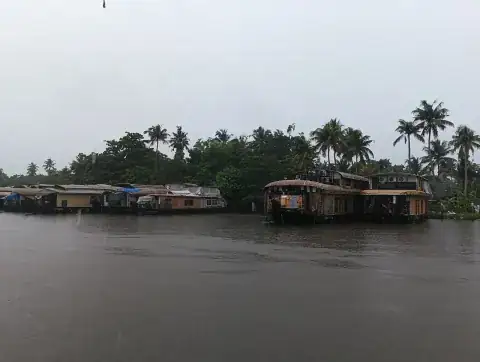
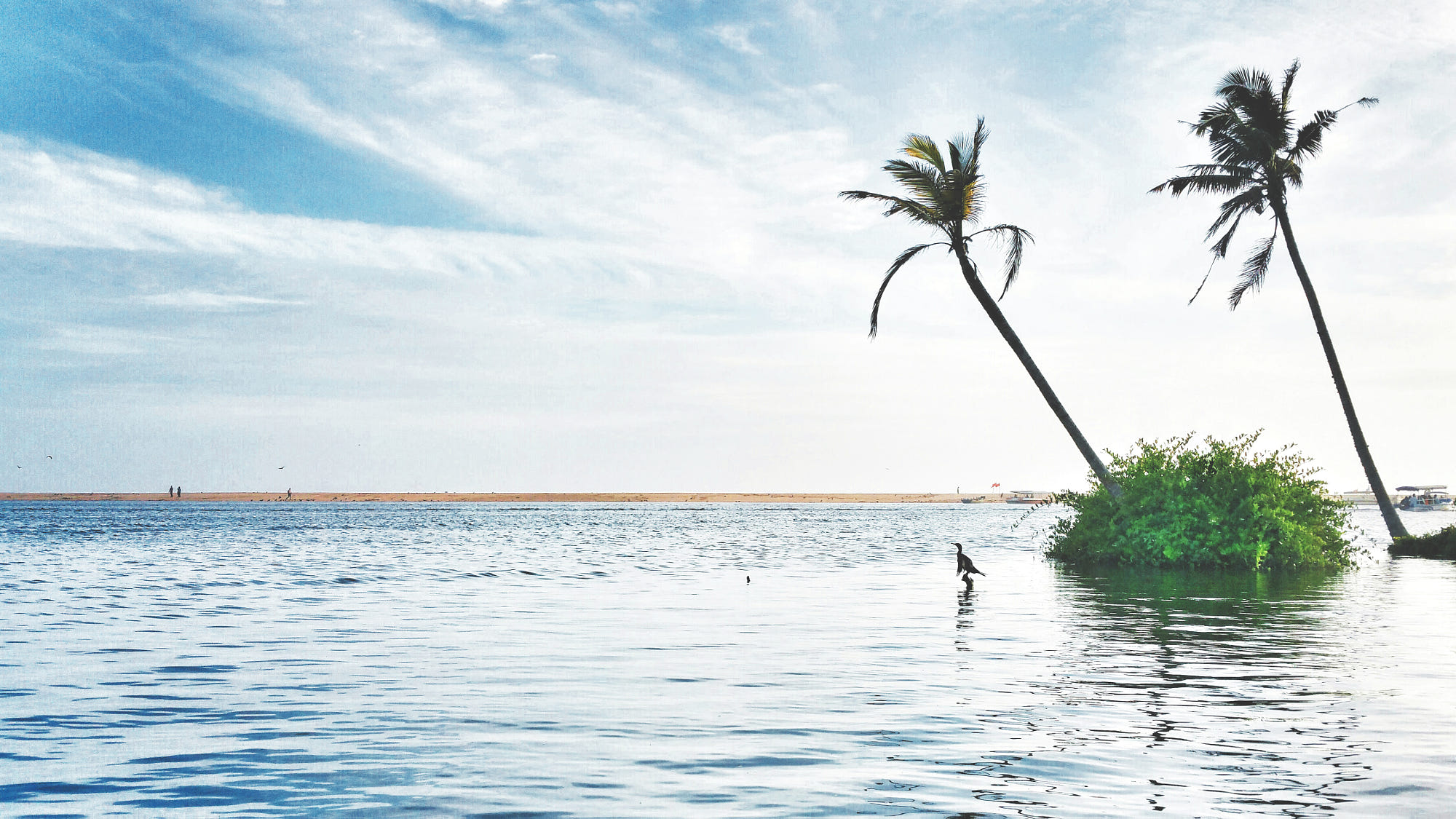
Northern Kerala's backwaters connect island settlements, mangroves and fishing livelihoods at a quieter scale. Around Valiyaparamba and Kavvayi, a canoe or kayak can become a way to reach stories as well as scenery.
A closer look
An established operator can select a suitable craft and route around tides, weather and participant experience. A willing local host may share a meal or explain work shaped by water and season. Leave room for quiet observation rather than filling the outing with successive stops.
A boat can be a means of reaching a conversation rather than the entire purpose of the outing. A host may explain how gear, tides or seasons change the work, allowing the view to acquire a human dimension. A thoughtfully arranged meal can extend that exchange without crowding the day.
Theyyam's many ritual forms belong to particular shrines, communities and narratives in North Malabar. An informed encounter begins with the story and place, creating context for the extraordinary expression of a genuine ceremony.
A confirmed community event and sensitive interpretation are essential. Hosts determine where visitors stand, what may be photographed and whether preparation can be observed. Conversations about devotion and social memory can deepen the visit without assuming access to performers or treating a living ritual as a scheduled show.
Preparation makes the difference between witnessing an unfamiliar event and beginning to understand it. Ask about the particular manifestation and the place where it occurs, keeping the explanation specific. Comparisons with other traditions may be illuminating, provided they do not erase the distinct meanings held by each community.
North Malabar's kalaris introduce a martial tradition through discipline, coordination and teacher-led practice. A beginner encounter in Kannur or Thalassery can reveal how bodily knowledge develops through repetition and careful attention.
A closer look
A willing instructor selects appropriate stances, sequences and equipment for each participant. More than one session may allow a meaningful sense of progression. Any treatment or massage is separate from learning the art and should be discussed only with an appropriately qualified practitioner.
Even a short sequence can reveal how balance and coordination develop through repeated correction. A conversation with the teacher can then connect movement with the way knowledge passes between generations. The encounter is best measured by understanding and personal progress rather than the complexity of the techniques attempted.
A medicinal garden offers a botanical perspective on Ayurveda and its inherited knowledge. With an appropriate practitioner, selected plants can open questions about identification, preparation and the distinction between traditional use and evidence.
A closer look
A suitable garden and qualified host require identification before a visit. Non-clinical teaching may examine plant parts and preparation methods without offering treatments or promised health outcomes. The encounter is educational, with no unsupervised tasting or assumption that a garden conversation constitutes a medical consultation.
Examining the part of a plant traditionally used can make questions about identification and preparation tangible. Ask how inherited knowledge is recorded and where modern evidence remains limited. This thoughtful approach allows cultural understanding without presenting a garden visit as proof of efficacy or a substitute for professional healthcare.
The coordinated rhythm of a loom makes Kanhirode's handweaving immediately tangible. Near Kannur, a cooperative encounter connects patterns and preparation with the working relationships that keep a textile tradition alive.
A closer look
Watch how hands and feet translate a design into cloth, then consider the decisions made before weaving begins. A suitable host can explain cooperative work and changing markets. Practical participation depends on the workplace, with production left undisturbed and any teaching time recognised.
Watching the coordination of a weaver's hands and feet can make pattern formation feel almost computational. The comparison is a useful question, not a replacement for the artisan's own explanation. Preparation, rhythm and judgement reveal the work beneath the finished textile's apparent simplicity. Stay with one pattern long enough to see its structure emerge.
Near Payyannur, Kunhimangalam's artisans shape lamps, bells and ritual objects through inherited metalworking skills. Moulds, unfinished surfaces and finished pieces reveal the judgement behind objects encountered in Kerala's sacred spaces.
A closer look
A consenting workshop may explain alloy choices, shaping and finishing, using the stage of work genuinely under way. Model or mould preparation can be considered where appropriate. Live casting follows the maker's schedule and should be observed from an approved position, not promised as hands-on participation.
An object seen in a sacred setting may take on another meaning when its unfinished form is examined in a workshop. Ask why a lamp or bell has a particular shape and how quality is recognised. A maker's practical answers connect material decisions with the object's intended use.
Inland from Kannur, Aralam's forest offers a rich setting for butterfly observation and close natural-history interpretation. Seasonal movement adds another dimension to a landscape where habitat matters as much as individual sightings.
An authorised programme can focus on behaviour, food plants and changes along a trail. Current access and seasonal conditions shape the encounter, and spectacular gatherings are never guaranteed. Photographs and patient observation can make a quieter visit equally rewarding as an exploration of forest relationships.
The distribution of butterfly activity along a trail can raise questions about light, shelter and food plants. Comparing observations or photographs helps make changes visible without disturbing the animals. The forest offers its own interest regardless of whether the visit coincides with a conspicuous seasonal movement.
Thalassery's cooking brings Malabar ingredients into conversation with Indian Ocean connections. A hosted kitchen encounter can explore pathiri, rice preparations or festive snacks through the judgement and stories of the person making them.
A closer look
Choose a willing cook whose own repertoire determines the meal. Texture, household variation and the contrast between ordinary and celebratory food provide natural talking points. Dietary preferences, participation and the teaching fee should be agreed beforehand, allowing the experience to remain personal and respectful.
One preparation can open a broad conversation about how recipes differ between homes and how festive food relates to ordinary meals. Texture is often a matter of touch and experience as much as instruction. Let that practical knowledge and the host's own stories guide the pace of the encounter.
Gundert Bungalow's museum opens a distinctive conversation about language, translation and publishing in Malabar. Words, scripts and objects invite reflection on how knowledge is recorded, whose voices survive and what resists translation.
A closer look
A guide can connect the collection with educational and missionary histories while making space for a critical reading of those legacies. Comparing expressions across languages adds a personal dimension. A specialist linguist would be an additional introduction to request, rather than an assumed part of museum access.
A dictionary or translated phrase can become a way to ask who recorded knowledge and whose viewpoint shaped the record. The museum's setting at Illikkunnu provides context for those questions. Comparing familiar expressions with local ones makes the encounter personal without reducing language to a simple equivalence between words.
In Wayanad, Uravu connects bamboo with design, cultivation and local livelihoods. A workshop encounter at Thrikkaipetta can reveal why makers choose particular sections, treatments and structures for objects of very different character.
A closer look
Examine prepared material before considering a practical assembly or weaving session, subject to the centre's programme and agreement. The discussion can move from physical properties to markets and skill development. A village walk adds context, keeping the craft rooted in the place and people around it.
The first question can be material rather than decorative: why does one section suit a particular object, and how does preparation change what it can do? A maker's answers connect physical properties with design choices. The wider village setting keeps that experimentation linked to livelihoods and the people sustaining the work.
Edakkal's engraved rock shelter invites questions about human communication and archaeological evidence. In Wayanad's Ambukuthi Hills, a natural cleft and its marked surfaces reward careful observation after a substantial stepped approach.
A closer look
An informed guide should distinguish what a motif establishes from what remains speculative, including proposed links with distant civilisations. Sketching selected forms can sharpen attention without touching the rock. Entry conditions and the physical demands of the ascent need confirmation before including the site.
The ascent and the rock's natural form help establish that Edakkal is a cleft and shelter, not a conventional underground chamber. Once there, careful looking matters more than confident decoding. A discussion of uncertainty can be part of the excitement, showing how archaeological knowledge is built from limited evidence.
A beekeeping encounter in Wayanad can follow honey back to flowering plants, hive management and seasonal work. A suitable farm offers a close perspective on pollination and the skilled decisions behind a familiar ingredient.
A closer look
A visitor-ready beekeeper must first be identified. Empty equipment, observation from a suitable distance and available honey can explain much without opening a hive. Demonstrations or extraction depend on working conditions and participant suitability, allowing the beekeeper's judgement to guide the encounter.
Compare the beekeeper's account of flowering plants with the honey available to taste, without assuming that a label can reveal every part of its origin. Empty equipment can make hive management understandable. The visit remains rewarding when observation and conversation replace an unsuitable live demonstration.
At Beypore near Kozhikode, wooden vessels connect maritime history with craft on a remarkable scale. A permitted working-yard visit reveals how curves, timber joints and collective skill become an ocean-going form.
A closer look
Follow the stage of construction actually under way, with a craftsperson or informed guide explaining practical decisions. Components and small models can clarify engineering questions. A completed vessel, active build or launch cannot be assumed; access and the yard's real schedule determine what can be seen.
The scale of the work invites questions about how a craftsperson judges a curve or coordinates a large build before the finished vessel exists. Timber joins and individual components can make that knowledge visible. Maritime history gives the yard a wider setting, connecting skilled work with movement across the Indian Ocean.
Malabar's Mappila song tradition carries devotion, love and social experience through words and rhythm. In Kozhikode, a musician-led encounter can turn listening into a conversation about memory, language and everyday feeling.
A closer look
A willing singer and interpreter may introduce selected songs and their meanings, with a refrain or rhythm to try when appropriate. This would be a paid teaching arrangement in a suitable setting. The musician's repertoire and willingness shape the exchange rather than a generic performance request.
A few translated words can change how a melody is heard, revealing a devotional, social or emotional thread that would otherwise be missed. Ask how songs are learned and remembered, allowing the singer's own relationship with the repertoire to lead. Participation should remain an invitation, not an expectation.
Nilambur connects clay work, teak history and the Chaliyar landscape with agricultural life. A carefully selected visit can move between a maker's workshop and the wider story of trees, timber and changing livelihoods.
Responsible Tourism's published trail provides a lead for identifying hosts and available elements. Choose depth over completing every stop, allowing pottery, forest interpretation or seasonal produce to carry the day. The exact working participants and programme require confirmation rather than assuming continuous access.
Clay and timber offer contrasting ways to consider the relationship between a place and its resources. An artisan's immediate decisions can be set beside the longer history of forestry and changing markets. The best encounter selects a few connected strands and lets hosts explain them in depth.
Silent Valley offers a deeply absorbing forest encounter reached through the Palakkad region. Its habitats and conservation history invite attention to ecological relationships rather than a search defined by large-animal sightings alone.
An authorised programme can combine permitted vehicle access and walking according to current rules. A knowledgeable interpreter helps make a small area meaningful through signs, vegetation and questions. Visitor arrangements, route and duration need fresh confirmation, with sufficient time allowed to appreciate the landscape.
Conservation history can give close observations a larger significance, helping explain why a particular habitat matters beyond an individual sighting. An authorised guide can connect the evidence encountered on the visit with those wider questions. The experience rewards sufficient time and curiosity rather than a demanding wildlife checklist.
At Kerala Kalamandalam, performing arts can be understood as disciplined learning. This major institution at Cheruthuruthy connects movement, repetition and teacher-led training with the cultural knowledge carried through the body.
A closer look
An approved visit may introduce selected spaces and the context of training rather than unrestricted access to classes. A conversation with a teacher depends on institutional permission and schedules. Historical visitor programmes are a starting point for enquiries, not confirmation of what operates on particular dates.
Repetition can appear simple until a guide explains what a learner is trying to control. Watching a selected exercise may reveal how attention, correction and memory build towards performance. The visit should respect the institution as a place of education, with teaching work taking precedence over visitor curiosity.
The chenda and maddalam reveal Kerala's rhythmic traditions through coordination, memory and attentive listening. Around Cheruthuruthy and Thrissur, a willing teacher can introduce how simple patterns become expressive through practice.
A closer look
A separate introductory session may begin with clapping before suitable instruments are introduced. The musician determines equipment, volume and physical demands, with time to hear a trained performance for comparison. A private lesson should not be confused with entry to a formal institutional class.
Hearing a short phrase performed by a trained musician after trying it oneself can make skill immediately tangible. The contrast offers an opening into questions about practice, listening and how an ensemble stays together. A modest lesson can therefore be substantial without attempting a complete traditional repertoire.
Pottery and other finds at Pattanam invite a wider story of maritime exchange. Within the Muziris heritage landscape, archaeological interpretation offers an engaging way to explore how fragments suggest movement, trade and everyday life.
A closer look
The proposed identification of Pattanam with ancient Muziris should remain a possibility rather than a settled claim. Accessible displays and a landscape walk can introduce the evidence. Active excavations and meetings with archaeologists require explicit permission; neither is implied by a heritage visit.
Pottery and other material can suggest movement, but the route from an object to a historical conclusion requires explanation. Ask what comparisons or context support an interpretation and where alternatives remain possible. That care makes the ancient trade story more compelling rather than less certain in tone.
Near the Muziris landscape, Chendamangalam brings handloom work into conversation with religious and domestic heritage. The locality rewards attention to the different histories that inhabit neighbouring streets, buildings and workshops.
A selected weaving encounter can examine a border or motif before a small heritage walk places the craft within its community. Migration, patronage and social change offer thoughtful themes. Specific hosts and site access need agreement, and a heritage-focused visit remains an alternative to another loom session.
A border or motif can begin a discussion of design, while the walk around a workshop introduces the community that supports it. Nearby sacred and domestic heritage need not tell a simplified story of harmony. A thoughtful guide can make room for migration, difference and change within the same locality.
Maritime trade, colonial power and diverse communities leave visible traces in Fort Kochi and Mattancherry. Their compact streets reward a walk shaped around one question, linking historic buildings with food and contemporary life.
A closer look
Follow how trade changes a kitchen, how communities maintain identity or how older buildings acquire new uses. Selected museums and waterfront stops can support that theme without becoming a checklist. Synagogues and other sacred places follow their own access rules, calendars and expectations.
A meal can reveal maritime exchange as clearly as a museum object, while an adapted building can show how the city continues to change. Connect these elements through a theme rather than treating each as unrelated. Ordinary street life remains part of the encounter, not an interruption to the history.
Coconut husk becomes strong cord through skilled preparation and twisting in Kumarakom's coir tradition. A hosted encounter makes an everyday material newly interesting, connecting fibre, tension and consistency with household livelihoods.
A closer look
A maker who welcomes teaching may demonstrate the process and select an appropriate task to try. Changing markets and the many uses of coconut can extend the conversation. The visit should follow real work, with clear agreement about participation and fair payment for the host's time.
Trying a small part of the process can reveal how tension and consistency depend on judgement. Compare the loose fibre with the finished cord, then ask how its uses and markets have changed. The material's transformation becomes a way to understand work rather than merely an entertaining demonstration.
Around Kumarakom, palms connect landscape with skilled work and everyday ingredients. Observing sap collection can open questions about tools, timing and fermentation while revealing the experience behind a climber's apparently effortless movements.
A closer look
The tapper's schedule and permission determine any observation. Climbing remains professional work, and a discussion of sap or food uses does not require tasting alcohol. A suitable host can distinguish practical knowledge from general assumptions, making the encounter thoughtful without turning labour into a performance.
Tools, timing and the care of the palm can make this an encounter with skilled judgement rather than spectacle. The changing character of sap offers another line of enquiry, connecting cultivation with fermentation. Observation and food-based discussion can explain the tradition without requiring climbing or alcohol consumption.
Kottayam's plantations offer a clear connection between a biological material and the products made from it. Rubber cultivation and processing reveal how skilled work, seasonal conditions and household economics meet around latex.
A participating holding may explain collection, coagulation, rolling and drying through current work or prepared examples. Processing takes longer than a short visit, so the sequence is best understood without expecting every stage live. Tools and chemicals remain with trained workers, with access agreed beforehand.
Prepared examples can show stages that happen across a longer period, making the process understandable without interfering with production. The grower's account of seasonal labour and prices adds a human dimension. Compare the starting material with its later forms to appreciate the decisions between collection and use.
Aranmula Kannadi brings optical precision into an inherited craft with ritual significance. Its reflecting metal surface offers an absorbing encounter with polishing, material judgement and the difference between a mirror and its ordinary glass counterpart.
A closer look
A willing artisan may use unfinished and completed examples to explain stages of making. Surface quality and reflection offer rich questions without intruding on guarded knowledge. The alloy recipe and production of an entire mirror are not promised; the value lies in understanding the maker's decisions.
Comparing an unfinished surface with a polished mirror can make optical questions immediate. Ask what the eye notices and what the artisan looks for when assessing a result. The encounter respects the distinction between explaining a craft and disclosing knowledge that its practitioners choose to keep private.
Periyar's interpretive walks invite close attention to tracks, feeding marks and changing vegetation. Within an authorised programme, a guide's ability to read the habitat can make a short trail feel remarkably expansive.
Discuss how observations support an identification and when uncertainty remains. The encounter can be complete without a large-mammal sighting. Current routes, age eligibility, duration and group formats are determined by the reserve's programme; private arrangements need separate confirmation rather than assumption.
A footprint or feeding mark becomes more interesting when the guide explains the reasoning behind an identification. Visitors can compare observations and learn to distinguish a strong inference from a guess. That process makes the forest engaging even when its larger inhabitants remain out of view. Even a small change in vegetation can offer a fresh question.
Spice-growing landscapes around Kumily reveal the plant behind a familiar scent. Leaves, bark, fruit and seeds connect botanical curiosity with the drying and preparation that shape ingredients used in the kitchen.
A closer look
A grower can introduce what is genuinely cultivated and in season, with sensory comparisons or cooking considered where welcomed. Traditional uses should be distinguished from established health evidence. Harvesting, hand-pollination and production depend on the agricultural calendar rather than being staged for a visit.
An ingredient may come from a leaf, fruit, bark or seed, and seeing that difference changes how it is understood in the kitchen. Discuss how drying or preparation affects aroma and flavour. The walk can then connect familiar tastes with the agricultural decisions and seasonal rhythms behind them.
Munnar's tea country rewards curiosity beyond the sweeping plantation views. Estate walks, museum interpretation and available tastings can connect the leaf with processing choices, flavour and the organisation of plantation life.
Compare teas through appearance and aroma while learning how preparation changes the cup. A permitted walk or visitor programme can add context about work and history. Private estate access, specialist tasting, plucking and production-floor participation are separate arrangements, with actual operations guiding what is possible.
A comparison between available teas can make production choices visible through colour, aroma and texture. The discussion can also consider how plantation work is organised and remembered. These strands turn a scenic visit into an enquiry about both the product in the cup and the people behind it.
North of Munnar, Marayoor's jaggery tradition follows sugarcane into a deeply sensory craft. Heat, consistency and a maker's attention connect cultivation with the concentrated sweetness of the finished food in this working landscape.
A closer look
On an operating day, a consenting producer may explain the processing sequence and the judgement used to assess readiness. Prepared examples can complement observation and tasting. Machinery and hot pans remain with workers; the encounter follows genuine production rather than a special firing for visitors.
A maker's judgement about consistency offers a clear example of practical knowledge built through repetition. Ask how fuel, labour and agricultural conditions affect the process as well as the finished flavour. The most revealing observation may be a small decision in ordinary production, explained by the person making it.
At Munroe Island, narrow canals reveal a village landscape organised around water. A gentle canoe outing can connect mangroves, farming, fishing and changing levels with the knowledge of people who live here.
A local operator should choose the route around tides and current conditions. Time with a willing household or craft host can give the water journey a personal centre. Quiet observation and conversation offer more than a sequence of photograph stops, while access remains guided by local consent.
Changes in water level can mean different things to a visitor and to someone whose daily movement depends on the canals. A local account helps bridge that difference. Food, farming or craft can give the outing a focus, with the canoe serving as a way into the place rather than its entire story.
Near Kovalam, Vellar's studios bring a range of Kerala craft traditions into one setting. A considered visit can move beyond browsing to understand a chosen material, maker and sequence of work in depth.
A closer look
After an introduction to available studios, concentrate on a craftsperson who welcomes teaching. Practice design or suitable preparation may be possible, with language, workshop format and working availability agreed beforehand. Not every studio or activity should be assumed to operate continuously.
The sequence between an idea and a finished object can reveal skills that are easy to miss when simply browsing a display. Ask how an apprentice learns to judge a surface, shape or material. Giving one maker sufficient time can make a compact studio visit feel substantial.
Balaramapuram's fine cotton and kasavu-bordered textiles connect southern Kerala with Travancore's material traditions. Working looms offer a close encounter with precision, preparation and the role cloth plays in dress and ceremony.
A closer look
A participating household or cooperative can explain the work behind a short passage of weaving. Compare texture and purpose with other regional fabrics, allowing practical observation to lead the conversation. Hosts, access and any hands-on activity need advance agreement, with production left undisturbed.
The preparation behind a loom often explains as much as the moment when cloth advances. Discuss the purpose of the fabric, its ceremonial associations and the decisions that create its feel. Comparisons with other textiles can sharpen attention without assuming that every weaving tradition follows the same process.
Kuthiramalika combines timber architecture with objects associated with the Travancore court. Its museum offers a thoughtful way to consider climate, music, status and the everyday organisation of royal life through selected spaces.
A closer look
A guide can connect materials and forms with the uses they served, allowing comparison with domestic architecture elsewhere. Leave room for quiet observation rather than an inventory of objects. Specialist architectural interpretation would be an additional introduction to request, subject to availability and museum access.
Timber details can lead into questions about climate, sound and the organisation of daily life. Court objects provide another perspective on music and status, allowing the visit to move between building and collection. A conversation afterwards can connect these observations with other domestic or royal settings encountered elsewhere.
At Poovar, river channels, mangrove edges and coast meet in a changing estuarine landscape. A locally guided outing offers a close reading of water, sediment and the livelihoods connected to their movement.
A suitable operator can select a boat route around conditions, with a fishing-host conversation considered where welcomed. Compare the channels with the sandbar and the meeting of river and sea. The estuary mouth is a landscape to understand, not an assumed swimming stop.
A guide can relate the visible meeting of channels and coast to processes that change through time. A local fishing account may reveal how that movement affects work and knowledge. A shorter, quieter outing is equally valid, leaving space to absorb the setting rather than filling every moment with activity.
North Goa offers more than a first glimpse of the beach. Around Anjuna, coastal life, local food and time with a thoughtful host can reveal a region best approached without haste.
Allow the shore to establish the mood, then look beyond it through a meal or village encounter. The interest lies in the relationship between everyday life and a changing visitor landscape. A particular household or teaching visit would be arranged with a willing host, leaving space for rest and independent discovery.
Siolim and Assagao invite a village-scale encounter with Goa through coconut palms, household food and conversations away from the busiest beach streets. Familiar ingredients become a way to understand local work and knowledge.
A closer look
A consenting host may explain palm climbing or sap collection, linking tools and timing with the uses of the tree. Such encounters follow the worker's real schedule, with climbing left to experienced practitioners. A meal can extend the conversation into changing food habits and village life.
Contemporary art at the Museum of Goa offers a fresh perspective on identity, history and the present. A considered visit can make the relationship between an artwork and its wider setting unusually tangible.
A closer look
Choose a few works that provoke questions rather than trying to absorb everything. Materials, images and humour can lead into conversations about how artists remember a place or challenge familiar representations. Exhibitions, interpretation and any artist introduction depend on the museum's current programme and separate agreement.
Inland Bicholim brings together craft, food and the possibility of meeting working hosts. Cashew processing and ghumot pottery offer distinct ways to explore how local materials become objects and ingredients with cultural meaning.
A closer look
The encounter should follow a particular maker or producer rather than presume a standing workshop. Available production, a suitable introduction and a local meal can form a coherent visit. Practical participation requires agreement, allowing the craft and its people to retain their working rhythm.
Near Bicholim, Lamgao's rock-cut caves offer a quieter chapter of Goan heritage. Their forms invite questions about construction, use and the relationship between archaeological interpretation and the sacred stories attached to a place.
A closer look
A knowledgeable guide can separate what the site itself reveals from later narratives, allowing both to be understood on their own terms. A short visit becomes richer through close looking and comparison with other rock-cut sites. Current access and the condition of the approach require checking.
Arvalem, also called Harvalem, brings caves, a waterfall and Rudreshwar Temple into one locality. Each offers a different perspective on the relationship between natural features, built heritage and continuing worship.
A closer look
Treat the rock-cut caves and waterfall as distinct stops, with time to understand what each reveals. A guide can connect them without collapsing archaeology into legend. Temple observation follows local expectations, while waterfall conditions and access vary; the locality need not be hurried through as a single viewpoint.
Sinquerim offers a coastal setting for exploring the Aguada landscape and considering a responsible dolphin outing. Sea conditions, maritime history and the life of the shoreline can shape an experience beyond a conventional beach visit.
A closer look
Any boat programme should follow current operations and responsible wildlife-viewing practice. Dolphins remain wild animals, with no sighting promised. An interpreted coastal walk or fort visit can provide an equally rewarding focus when conditions favour staying on land.
Aguada's fort, former jail and cultural complex reveal distinct layers of coastal history. Water, maritime control and imprisonment offer a thoughtful framework for understanding a place often approached primarily for its views.
A considered visit can separate the purposes of these structures and connect them with changing power along the coast. Museum access and cultural programming need individual confirmation. A concert or evening event is an optional addition when genuinely scheduled, rather than an assumed part of the experience.
Colvale and the Moda Goa Museum offer a material route into identity and social history. Costume and textiles make questions about dress, belonging and changing taste vivid through the objects people choose to wear.
A closer look
Follow a few garments or details closely, considering fabric, cut and the occasions they served. The village setting can give the collection a wider context. A museum visit or textile-led programme depends on current operations and agreement, with specialist introductions treated as separate requests.
A meal or tavern conversation in Saligao can reveal Goa through household memories and everyday sociability. Food provides an immediate starting point for discussing village life and the changes brought by tourism.
The quality of the encounter rests on a willing host and a menu rooted in their own experience. Ask how ingredients, celebrations or working patterns have changed, allowing conversation to move naturally. Hosting, dietary preferences and any cooking participation should be agreed beforehand.
Arambol's beach, headland and freshwater lake create contrasting settings within a coastal outing. The landscape invites movement and pauses in equal measure, with room to observe how visitors and local life share the shore.
Choose the walking extent according to conditions and interest rather than treating every feature as compulsory. Informal gatherings, including drum circles, may add atmosphere when they happen naturally. They are spontaneous social occasions, not cultural performances that can be promised as part of a visit.
Morjim's coast offers a setting to explore marine conservation and turtle-nesting habitat. An interpreted beach visit can reveal why stretches of apparently open sand matter to animals whose lives extend far beyond the shore.
A closer look
The focus should be habitat and conservation practice, not a promised nest or hatchling encounter. Current permissions and the advice of responsible local conservation hosts determine any visit. Quiet observation, respectful distance and restraint make the learning more meaningful than seeking wildlife on demand.
Goa's capital rewards an unhurried urban encounter with neighbourhood streets, public art, music and political history. Panaji, also known as Panjim, offers a more layered introduction than a single architectural image can convey.
A walk can follow language, domestic architecture or the changing use of public space, with time for a meal and everyday observation. Choose the thread that interests you rather than completing a circuit of landmarks. Specific performances, galleries or hosted conversations require their own arrangements.
At the Mario Miranda Gallery in Porvorim, illustration and visual humour offer a lively way into Goan identity. Small details of daily life can invite as much discussion as grand historical subjects.
A closer look
Look closely at characters, gestures and the settings around them, considering how an artist turns observation into a recognisable world. The encounter can complement walks through Goa's towns and villages without claiming that art is a literal record of every community. Opening and exhibition arrangements need confirmation.
Heritage & Architecture
095
Old Goa: Basilica of Bom Jesus, Se Cathedral & St Francis of Assisi
Old Goa's major churches bring architecture into conversation with religious history and colonial power. The Basilica of Bom Jesus, Se Cathedral and St Francis of Assisi reward interpretation that looks beyond their impressive scale.
An informed guide can address conversion, exchange and the history of the Inquisition alongside artistic and architectural choices. Allow each building its own context rather than reducing the ensemble to a single narrative. These remain significant religious places, with access and observation governed by their current rules.
Museums & Learning
096
Old Goa's Archaeological Museum & Museum of Christian Art
The Archaeological Museum and Museum of Christian Art offer complementary perspectives on Old Goa. Collections can extend a visit beyond buildings into questions of artistic exchange, conservation and the changing meanings of objects.
A closer look
Choose a few pieces to examine closely, asking what their materials and histories reveal and where interpretation remains uncertain. A museum-led conversation can make the nearby religious architecture more legible. Current galleries, opening arrangements and any specialist guidance require checking independently.
Fontainhas and St Sebastian Chapel offer an intimate way to explore Panaji through homes, language and neighbourhood life. A guided walk can connect architectural character with the people and changes behind the streetscape.
A closer look
Look beyond colour and façades to the uses of rooms, thresholds and shared space. Religious identity and urban change provide thoughtful themes without treating residential streets as a stage. Music or a hosted interior visit would require separate agreement, while residents' privacy remains central.
Panaji's St Inez and Campal neighbourhoods invite attention to public art and contemporary urban life. Streets and shared spaces offer a perspective on how the city's past continues to shape its present.
A walk can follow the relationship between artistic expression, everyday movement and the changing use of neighbourhood space. Let observation and conversation guide the pace rather than seeking a fixed list of murals. Particular artworks, exhibitions and local introductions depend on what is currently available.
Salt-pan landscapes around Batim and Goa Velha connect tidal water with chemistry, labour and an everyday ingredient. A working-host encounter can reveal the judgement and seasonal knowledge hidden behind a simple crystal.
A closer look
A producer may explain how water, timing and changing conditions shape the process, using the work actually in progress. Salt production cannot be assumed year-round or staged for a visit. Permission, safe observation points and a host willing to interpret the activity are essential to a meaningful encounter.
Margao, also known as Madgaon, and Quepem provide useful gateways to southern Goa's inland landscapes. They invite a wider view of the region beyond its beaches, with Margao also serving as a rail connection.
These towns can support a thoughtfully paced journey rather than becoming obligatory additional stays. The particular interest should determine time on the ground, whether continuing towards heritage, villages or the coast. Travel arrangements and any local encounter are considered separately, around current conditions and personal priorities.
At Usgalimal, rock engravings beside the Kushavati invite questions about early communication and the landscapes people chose to mark. The encounter is compelling precisely because careful observation does not resolve every uncertainty.
A closer look
A knowledgeable interpreter can distinguish what an engraving demonstrates from what it merely suggests. Shape, placement and the river setting offer useful starting points for discussion. Treat the surfaces as protected heritage, following current access guidance and leaving room for the limits of archaeological knowledge.
Rivona's rock-cut caves introduce a different strand of Goa's heritage from its more familiar coastal monuments. Their association with Buddhist history invites a considered encounter with space, belief and historical interpretation.
A closer look
Study the form of the site with a guide who can explain the evidence for particular readings, separating documented history from local narrative. The visit can sit alongside other inland heritage places without becoming repetitive. Current entry arrangements and the condition of the approach should shape planning.
Netravali's village setting and Budbudyanchi Tali bubbling tank bring water, plants and curiosity together. The landscape invites a conversation in which local explanations and scientific enquiry can sit alongside each other without premature certainty.
Observe what actually happens at the tank, then consider the different ways people interpret it. Village water use and surrounding plant life give the visit context beyond a single phenomenon. An informed local guide can keep the encounter grounded, with access and conditions checked before visiting.
Mainapi Waterfall and the Netravali forest offer a more active encounter with inland Goa. The approach can make the forest as interesting as the destination, through vegetation, water and the changing character of the trail.
A closer look
Walking distance, route conditions and forest permissions should determine the outing. A naturalist can encourage pauses and observation, while the chosen pace reflects personal comfort rather than a fixed ambition. Waterfalls change with weather and season, and suitable authorised access must be confirmed.
The Mhadei, or Mahadayi, landscape offers a naturalist-led perspective on river catchments, forest relationships and conservation. Bird calls, vegetation and animal signs can reveal a place whose most interesting stories are not always immediately visible.
A closer look
Hornbills, otters and gaur are subjects to understand rather than sightings to expect. An authorised route and knowledgeable guide can make the outing rewarding through evidence, tracks and habitat. Current access and conditions determine the programme, with conservation priorities shaping how visitors move through the landscape.
Chorao's island settlements and mangrove edges offer another side of Goa, approached through the Ribandar ferry gateway. Village food and the relationship between land and water give the outing a distinctive, slower rhythm.
A local guide can connect settlement, estuarine habitats and everyday work, with a meal or hosted conversation where welcomed. Temple and seminary-ruin references need precise identification before being included. Ferry operations, water conditions and any community access should be checked rather than assumed.
Bogmalo provides the coastal setting for a focused visit to the Naval Aviation Museum. Aircraft and displays offer a compelling route into engineering, flight and the specialised demands of operating in a maritime world.
Choose a few objects to understand in detail, connecting form with function and asking how different design choices answer particular problems. Museum interpretation can be shaped around personal curiosity. Opening arrangements, accessible displays and any additional specialist input depend on the institution's current programme.
Benaulim's Goa Chitra, Goa Chakra and Goa Sutra references bring material culture and transport into focus. Objects that once served practical purposes can reveal how communities worked, travelled and organised everyday life.
A closer look
The three related collections offer different themes, so choose the elements that invite deeper enquiry rather than attempting every gallery. Demonstrations or specialist interpretation depend on current operations. A careful visit asks how an object was used and what social world made it meaningful.
The temples of Mangueshi, also called Mangeshi, Shantadurga and Mahalasa offer distinct encounters with worship in the Ponda region. Lamps, sound and shared spaces invite thoughtful observation of a continuing religious life.
A closer look
A knowledgeable interpreter can explain visible practices without assuming that each temple follows the same tradition. Visit according to current entry and dress expectations. Any evening aarti or other observance must follow the temple's actual programme, with participation determined by local rules and personal wishes.
Sateri shrines in the Ponda and Tiswadi regions invite a careful introduction to sacred anthill traditions. The encounter connects land, goddess worship and locally rooted religious practices through the understanding of their own communities.
A closer look
A knowledgeable local interpreter is essential, both for context and for knowing what visitors may appropriately observe. Beliefs should be presented as traditions rather than scientific claims. Shrine access, conversations and any ritual attendance depend on the particular community and its permissions.
Canacona and the coastal fort at Cabo de Rama offer a southern Goan perspective on landscape and history. A considered visit can combine the changing coastline with questions about the strategic meaning of a fort.
Allow the setting to lead the encounter, with time to look at terrain and sea rather than treating the site as a quick photograph. A guide can place the fort within its wider context. The extent of a visit depends on current access, conditions and personal interest.
Dudhsagar's waterfall belongs to the forest landscape around Kulem, also called Collem, and Mollem. Within the Bhagwan Mahavir sanctuary and national-park setting, water and geology provide depth beyond the dramatic view.
A properly authorised outing can include interpretation of the surrounding forest rather than focus solely on reaching the falls. Entry, vehicle arrangements, guides and operating conditions require current confirmation. The experience should follow permitted access and weather, with no assumption of a particular route or water activity.
Karwar marks a coastal transition between Goa and Karnataka, offering a pause to notice how landscapes and regional identities change along the shoreline. It can be appreciated without turning every stop into a separate stay.
A closer look
The value of a visit lies in what it adds to the surrounding journey: a change of outlook, a local conversation or simply time to absorb the coast. Particular activities and hosts would be chosen according to interest and availability rather than presumed from the location alone.
Gokarna's beaches offer distinct moods rather than a single stretch of sand. Kudle, Om, Half Moon, Paradise and the town beach can be explored selectively through headland walks and time beside the sea.
Choose a manageable section, allowing the approach and changing views to become part of the experience. Path conditions, heat and personal walking preferences determine the route. Any return by boat depends on appropriate operators and sea conditions; it should never be assumed as the only way back.
Mahabaleshwar and Maha Ganapati are living pilgrimage landmarks within Gokarna's sacred townscape. Their traditions, including the Atmalinga narrative, invite an encounter that respects both the meaning of belief and the rhythms of worship.
An informed guide can explain the stories and practices associated with each site without presenting legend as historical proof. Current visitor eligibility and temple rules determine access. The surrounding streets may provide equally valuable interpretation when particular interiors or ceremonies are not open to visitors.
Koti Teertha and Rudra Pada reveal Gokarna through sacred water and places associated with ancestor rites. A sensitive visit can explain the cultural meanings of these locations while preserving the privacy of worshippers.
A closer look
An interpreter should distinguish public space from ceremonies that deserve distance and quiet. The encounter can consider how water and memory shape a pilgrimage town without making private mourning part of the visitor experience. Current local guidance determines where and how observation is appropriate.
Near the Gokarna corridor, Mirjan Fort opens a conversation about coastal power and trade. Its setting offers a different historical perspective from the region's pilgrimage streets, beaches and working estuaries.
A closer look
A guide can help read the relationship between built defences and the wider landscape, allowing the visit to follow a clear historical question. The stop is most rewarding when given room for observation. Access, walking conditions and the time required should be assessed before inclusion.
Idagunji offers a devotional encounter along Karnataka's coastal passage. A thoughtful visit can focus on how worship, pilgrimage and the everyday life around a temple give a place its continuing significance.
A knowledgeable local interpreter can explain what is visible and how visitors should approach the setting. The emphasis is on attentive observation rather than guaranteed participation. Current entry expectations, ritual timings and the wishes of worshippers guide any visit or conversation.
At Maravanthe, the coast and the Souparnika create a striking landscape conversation. A short, unhurried pause can reveal how closely river and sea coexist while sustaining different patterns of water, habitat and human use.
A closer look
Observe the contrast between the two waters and the land between them, allowing a guide to connect the view with local geography. The setting need not become an elaborate excursion to be memorable. Conditions and appropriate stopping places determine how best to appreciate it.
Udupi Krishna Matha, Kanakana Kindi and the surrounding streets form a living religious setting. Viewing traditions, food and daily devotion offer a way to understand how a sacred institution shapes the town around it.
A closer look
A considered visit can connect the viewing window's tradition with the broader experience of pilgrimage and community life. An informed interpreter helps visitors understand practices without simplifying them. Entry, dress and the timing of worship require current confirmation, and ritual participation is never presumed.
Malpe's working harbour and the basalt-column geology of St Mary's Island offer contrasting coastal encounters. Together they connect livelihoods on the shore with the forces that gave an offshore landscape its distinctive form.
A closer look
A guide can separate the human story of the harbour from the geological questions raised by the island. Boat operations and sea conditions determine whether the offshore visit is appropriate. Time on the mainland can remain rewarding in its own right, without relying on a crossing.
Near Udupi, Kemmannu's lagoon and suspension-bridge area invite gentle observation of estuary life. Water, settlement and everyday movement offer a quieter perspective than a fast sequence of coastal viewpoints.
A closer look
A short walk or suitable locally arranged outing can focus on how people live alongside the changing waters. The interest lies in noticing connections rather than collecting sights. Current access, bridge conditions and any water activity require separate assessment, with local guidance shaping the visit.
Mangaluru, also known as Mangalore, brings Tulu Nadu's food, religious diversity and maritime life into an urban setting. Museums, sacred places and the working coast offer several ways to explore its character.
Choose a coherent theme, whether cooking, community history or the relationship between the city and water. A few well-interpreted encounters can reveal more than an ambitious circuit. Particular institutions and hosted visits follow their own arrangements, allowing the city to be explored at a considered pace.
Kadri Manjunatha offers a Mangaluru setting for exploring sacred history alongside contemporary worship. The temple can anchor a thoughtful discussion of how a place accumulates meanings while remaining part of everyday religious life.
A knowledgeable guide should explain historical layers with care, separating established evidence from devotional interpretation. Observation takes its cue from current temple practice and local expectations. The visit remains meaningful through attention to space and activity, without needing special ritual participation or access.
The Bejai Museum, also known as Srimanthi Bai Memorial Museum, offers another lens on Mangaluru. A collection-based visit can add depth to the city through objects and the questions they preserve.
A closer look
Select a few displays around a particular interest rather than treating the museum as a checklist. An interpreter can help connect the material with wider regional history while acknowledging gaps in the record. Current opening, accessible collections and suitable guidance need confirmation before a visit.
Sultan Battery connects Mangaluru's waterfront with questions of defence and maritime control. Its coastal context makes a focused historical encounter, offering a different perspective on the waters that helped shape the city.
A closer look
Consider the relationship between a defensive position and the movement it was intended to observe or influence. A guide can place the structure within the wider maritime story. The visit is best approached as one considered element of the city, with current access checked.
Pilikula brings a science centre, planetarium, heritage village and Kambala museum into one wider area. These distinct institutions can connect scientific enquiry with material culture and the interpretation of rural traditions.
A closer look
Choose the components that best match your curiosity, allowing enough time for each rather than assuming the whole complex fits a brief stop. Planetarium programmes and interactive access depend on current operations. Traditional activities should be understood through their specific institutional context, without presuming live demonstrations.
Kaup, also called Kapu, combines beach, lighthouse and Mariamma temple settings near Udupi. A short, interpreted visit can move between the coastal landscape and the devotional life that gives the locality another dimension.
A closer look
Each component follows its own access arrangements. Lighthouse entry, beach conditions and temple observation should be checked separately rather than treated as one guaranteed activity. Allow time for the view and the story behind it, keeping any ritual encounter attentive to local expectations.
Padubidri's beach and Brahmasthana sacred grove offer different encounters within the same coastal area. The grove introduces locally rooted traditions, while the shoreline provides a contrasting setting for quiet time and observation.
A community-led interpretation can explain grove practices and termite-mound worship without assuming visitor access to restricted spaces. Permissions and current observances determine what is appropriate. The beach remains a separate experience, allowing the area's natural and sacred dimensions to retain their own meanings.
Mulki's river-town setting connects Bappanadu Temple with the Shambhavi and the surrounding coastal hinterland. Water, worship and regional gatherings offer complementary ways to understand the locality beyond a brief roadside stop.
A closer look
A local interpreter can select the most meaningful thread, from temple histories to the relationship between settlement and river. The surrounding Kambala belt adds context when a genuine event is confirmed. Temple visits, host introductions and any race attendance each require their own arrangements.
At Sasihithlu, the Shambhavi and Nandini confluence invites attention to tides, sediment and fishing life. This river-meets-sea landscape offers more than a beach view when its changing habitats are read carefully.
A closer look
A guide can use the conditions visible that day to explain how water shapes the shore and the work around it. Choose appropriate observation points and allow time to notice small changes. Boat access or practical livelihood encounters would require separate, locally agreed arrangements.
Surathkal combines a beach, lighthouse and Sadashiva Temple along the Mangaluru corridor. A considered coastal visit can connect outlook, navigation and local devotion while leaving space simply to absorb the setting.
Choose the elements that add a distinct story rather than repeating nearby stops. Lighthouse opening and temple access follow separate arrangements, while shore conditions shape the time outside. A knowledgeable local guide can make a compact visit meaningful through context and careful observation.
Someshwara's rocky shore and Rudra Shila formations bring geological curiosity into a sacred coastal setting. Near Mangaluru, the landscape invites attention to the different meanings people find in the same natural forms.
A closer look
An interpreter can distinguish explanations of rock and water from devotional narratives while respecting each perspective. Observe from suitable shore positions and let current conditions determine the extent of the visit. The focus is on understanding the setting, without assuming bathing or unrestricted access to every rock.
Milagres and Rosario, also called Rosary, churches offer distinct perspectives on Mangaluru's Christian heritage. Architecture, worship and local Catholic food traditions can open a wider conversation about community life along the coast.
A closer look
A guided visit may connect the buildings with their social setting, while a meal provides a separate route into culinary traditions. Services, including Christmas observances, remain acts of worship. Parish guidance determines visitor access, timing and photography, with no special participation assumed.
Kukke Subrahmanya and Dharmasthala are significant inland spiritual destinations, each with its own living context. They invite a purposeful journey into the coastal hinterland rather than a hurried addition to a long travel day.
A closer look
Give each place enough room for interpretation and quiet observation, considering the traditions and communities that sustain it. Current entry requirements, crowd patterns and worship schedules should shape planning. A knowledgeable guide can introduce the setting while respecting practices that are not open to every visitor.
Karkala and Kateel offer regional connections to ritual interpretation and Yakshagana traditions. They are places to explore the relationships behind an art, rather than assume that a performance is always waiting to be seen.
A closer look
A suitable local introduction may connect visitors with an informed practitioner or troupe, including Kateel's votive Yakshagana context. Teaching, conversation and actual performances are different arrangements. Each depends on willing hosts and a genuine programme, with the locality's religious and community life remaining central.
Mysuru's palace is a compelling beginning, but the city extends into craft, food, performance and civic history. Its wider region also offers river ecology and wildlife, allowing a journey shaped by several kinds of curiosity.
Choose the thread that gives the city personal meaning, from making and music to the relationship between courtly patronage and everyday life. The palace need not dominate every encounter. Individual venues, hosted sessions and surrounding nature programmes follow their own current access arrangements.
At Somanathapura, also known as Somnathpur, Keshava Temple offers a focused encounter with Hoysala architecture. Its carved surfaces invite close looking and an unhurried conversation about artistic decisions, patronage and religious imagery.
A thoughtful guide can choose details that illuminate the larger ensemble rather than reciting a catalogue of figures. Compare rhythm, movement and ornament while leaving the stone untouched. Allow sufficient time for the setting and interpretation, with current monument access confirmed before visiting.
Near Mysuru, Ranganathittu offers a river-island perspective on birdlife and habitat. A naturalist-led encounter can connect visible behaviour with water, vegetation and the conditions that make particular places valuable to birds.
Observation is most rewarding when it follows what is actually present, from feeding to movement between vegetation and water. Current sanctuary programmes and any boat arrangements determine access. Species and activity vary, so patient interpretation matters more than a fixed list of sightings.
Kabini and the Nagarahole region bring river and forest into a substantial wildlife chapter. Time in the landscape allows a richer encounter with habitat, animal signs and the rhythms that a brief visit can miss.
Use authorised reserve programmes, with permits and current operating conditions confirmed. A knowledgeable naturalist can make quieter moments meaningful through interpretation rather than focusing only on conspicuous animals. Wildlife remains unpredictable; the quality of the encounter comes from attention, appropriate access and enough time to observe.
Kodagu, also known as Coorg, invites a close encounter with coffee, ecology and Kodava cooking. Grower-led explanations and household stories can reveal a working landscape more richly than a plantation view alone.
A hosted visit may connect processing and tasting with the relationships between crops, weather and daily life. Food can give the encounter a personal centre. An invited Ummathat introduction is a separate cultural possibility, dependent on willing practitioners and appropriate context rather than a standing performance offer.
Chikkamagaluru offers an alternative perspective on Karnataka's coffee-growing hills. A considered stay can make space for cultivation, landscape and the conversations that turn a familiar drink into a deeper understanding of place.
Choose a particular estate or host according to the interests that matter, rather than expecting every plantation to receive visitors. Walking, tasting and production interpretation depend on the location and current work. The region is best given its own purpose, with time to appreciate its character.
Bengaluru can serve as a practical air gateway and a setting for a focused urban encounter. Specialist food studios and other interests may give time in the city a purpose beyond simply passing through.
Allow the arrival schedule and personal energy to determine how much to explore. A chocolate-making studio is distinct from a cacao farm or factory visit and requires its own booking. The city can be a considered introduction or a comfortable pause, without adding unnecessary movement.
Near the wider Hampi region, Kinhal's painted wooden figures and Sandur's Lambani embroidery offer contrasting craft encounters. Also known as Kinnal, the former invites attention to sculpted form, while the latter reveals richness through thread.
A closer look
These are distinct visits rather than interchangeable stops. A willing artisan can explain materials, design and the skills behind finished objects, with a practical task considered where appropriate. Choose one with enough time for genuine exchange, allowing workshop access and current working arrangements to guide the visit.
Navalgund provides a regional source for dhurrie weaving near Hubballi and Dharwad. A loom encounter can reveal how colour, repeated structure and a maker's judgement turn threads into a distinctive woven surface.
A closer look
An agreed workshop visit should follow the artisan's own work and teaching preferences. Observe the preparation as well as the visible act of weaving, then discuss how designs are sustained or adapted. Any practical exercise requires suitable equipment and permission, with teaching time recognised separately from a purchase.
The Sagara region connects visitors with the possibility of learning about Deevaru Chittara painting. Geometric forms offer a vivid route into the relationships between visual pattern, community knowledge and the occasions that give art meaning.
A closer look
A current practitioner should lead any interpretation or practice session, deciding what material is appropriate to share. A simple design exercise may complement discussion of motifs and context. The artist's availability and a suitable setting determine whether the encounter happens in the source locality or elsewhere by agreement.
Shivarapatna offers a source setting for understanding stone carving through the people who practise it. Form, tool marks and the sequence of making can connect a finished image with the decisions that brought it into being.
A closer look
A willing artisan may introduce a suitable practice block or demonstrate selected stages, with tools and participation matched to ability and safety. The workshop's real work takes precedence over a visitor programme. Any teaching encounter needs advance agreement and sufficient time to understand the craft.
Pavagada is a research connection for Budbudke practitioners and the knowledge they carry. A carefully arranged encounter would centre a willing artist's own account, rather than assume that a historical lead establishes a current visitor programme.
A closer look
The first step is identifying a present-day practitioner through appropriate local relationships. Teaching, interpretation and the setting must then be agreed directly. The locality is a source connection, not a promise of performance, and a visit should be shaped by what the host wishes to share.
Arts & Living Traditions
149
Mandya, Chamarajanagar & Male Mahadeshwara Traditions
Mandya, Chamarajanagar and the Male Mahadeshwara tradition area provide regional context for Kamsale and related devotional performance. A practitioner-led encounter can connect movement and rhythm with the beliefs and communities that sustain them.
A closer look
A suitable teacher may introduce a selected element in a setting agreed for learning, including from a Mysuru base where practical. Instruction and attendance at an actual observance are different possibilities. Neither should be presented as guaranteed access to sacred material or a standing public performance.
Sirsi and the Unchalli-side landscape offer a forest-and-river setting for unhurried exploration. A naturalist walk, areca-growing household conversation or local meal can connect the hills with the people who work within them.
A closer look
Select a manageable outing rather than trying to combine every possible theme. The most rewarding visit may follow one host's knowledge of plants, farming or food. Routes, access and household arrangements require confirmation, letting current conditions and genuine hospitality shape the day.
The Ramanagara-side countryside offers a possible pause between Bengaluru and places farther into Karnataka. Its role can be as simple as creating room to arrive, rest and continue towards a more focused encounter.
A closer look
A stop should serve personal comfort or a clearly chosen interest rather than exist solely to divide a route. Nearby craft or other visits require separate planning and access. The setting remains an optional gateway, with the timing of arrival and onward travel determining its value.
The Bantwal–Adyanadka corridor offers geographic context for cacao and agroforestry encounters in southern Karnataka. A chosen working farm can connect crops, soil and food with a host's direct experience of the landscape.
A closer look
The precise location matters: nearby towns do not imply interchangeable addresses or access routes. Identify the actual teaching farm before deciding where to stay or how to approach it. Production interpretation and any hands-on element depend on the host's agreement and the work taking place.
Uppinakudru's Yakshagana string-puppet tradition connects dramatic storytelling with the mechanics of movement. Near Kundapura, a practitioner-led encounter can reveal how voice, timing and controlled gestures give an articulated figure its presence.
A closer look
A willing master may explain manipulation through a selected scene or suitable teaching exercise. The craft and performance should be interpreted together, with attention to the context from which they come. Sessions, language support and access to working materials require direct agreement rather than assumption.
The Puttur region connects cacao, chocolate, agroforestry and nearby rubber livelihoods. Kemminje's CAMPCO factory and Adyanadka's Varanashi farm offer distinct perspectives on how raw materials become products and how cultivation supports communities.
A closer look
Factory observation follows a production system; a farm encounter follows a living landscape. Each has its own permissions, timing and scope. Choose the combination that answers your questions, with chocolate making or other practical participation separately agreed rather than inferred from a general visit.
Sullia and the surrounding Dakshina Kannada countryside provide another setting for understanding rubber. Collection, coagulation and changing material properties can connect a plantation visit with the everyday objects that begin as latex.
A closer look
A participating farmer and an appropriate working day are essential. Prepared samples can explain stages that cannot all be observed in one visit, while conversation reveals the agricultural and economic setting. Tapping and chemical processes remain with trained workers; the emphasis is on informed observation.
Kasaragod, Nileshwar and Kanhangad provide a rich regional setting for water, groves, household heritage and Theyyam traditions. Nileshwar, also called Nileshwaram, belongs to a landscape best explored selectively through informed local introductions.
A suitable base can support a few meaningful encounters rather than a sequence of town changes. The particular shrine, host or waterway should determine the visit. Community ceremonies and private interiors require specific consent, while a knowledgeable guide helps keep different local traditions distinct.
Kanhangad's Nithyananda Ashram meditation caves offer a contemplative encounter with a spiritual setting. Their interest lies in the relationship between space and practice, distinct from the geological questions raised by natural cave systems.
A closer look
Approach through the ashram's current visitor guidance, allowing time for quiet observation and context where interpretation is available. The visit need not involve adopting a practice or expecting personal instruction. Any conversation, interior access or participation depends on the institution's arrangements and consent.
Coasts & Waterways
158
Kottappuram, Tejaswini Waterway & Idayilakkad Island
Kottappuram, the Tejaswini waterway and Idayilakkad Island offer different entry points into the Valiyaparamba landscape. A water journey can connect settlement, ecological observation and the meanings a community gives to its island spaces.
A closer look
A suitable operator should select the craft and route around conditions. A sacred-grove conversation at Idayilakkad is a separate possibility where community hosts permit it, not an entitlement attached to a boat trip. Allow the landscape and willing local voices to determine the encounter.
Padanna offers a working-water perspective on North Kerala through mussel farming and estuarine livelihoods. Rope systems, tides and a producer's practical knowledge can make an apparently simple water landscape unexpectedly revealing.
A closer look
A participating host may explain how cultivation is organised and how conditions change the work. Any boat visit or practical activity requires appropriate access and agreement. The encounter should follow real operations, leaving room to understand labour and local decision-making rather than expecting a demonstration on demand.
Ananthapura's lake-set temple offers a distinctive spiritual landscape in North Kerala. Its guardian-crocodile tradition adds a narrative layer to an encounter centred on sacred space, water and the continuing life of the shrine.
A knowledgeable interpreter should present the animal story as tradition, without promising a sighting or treating belief as scientific evidence. Current visitor eligibility and local rules determine access. Quiet observation can be rewarding in its own right, without a special ritual or wildlife encounter.
Sacred Places
161
Kangol Kalari Bhagavathi Kshethram, Payyannur Area
Kangol Kalari Bhagavathi Kshethram is a named connection to the Payyannur area's Kaliyattam traditions. The place invites careful community-led interpretation, with any ceremony understood through its particular shrine and living context.
A closer look
Older event references do not establish a current programme. Dates, access and an appropriate local introduction must be confirmed directly before a visit. Cheemeni Road and Kothayi Mukku are location references, not separate attractions. No performance, preparation access or participation is implied by the listing.
Kokkanasseri and Kandambathu Ara appear as a specific connection to Kaliyattam traditions in North Malabar. A worthwhile encounter would begin with the shrine's own community, narrative and present-day visitor arrangements.
A closer look
A historical calendar is a research lead, not evidence that a ceremony is scheduled for a chosen date. Confirm the particular place, event and permissions through a knowledgeable local host. The experience depends on genuine community practice rather than a performance commissioned for visitors.
The Vatakara area's Nadol Bhagavathi temple is a regional connection for exploring Thira traditions in Kozhikode district. A locally informed visit can introduce the specific beliefs and relationships that give a ceremony meaning.
A closer look
Current dates and visitor arrangements require confirmation with the relevant community. An interpreter should establish the particular shrine and context before attendance is considered. Observation, photography and any conversation with practitioners follow the hosts' decisions, with no ritual access guaranteed by the reference.
At Chirakkal, the Kerala Folklore Academy offers an institutional perspective on North Malabar's performance traditions. Collections and interpretation can provide context before meeting a practitioner or attending a genuine community event.
A closer look
The value lies in connecting objects and explanations with living practices rather than treating them as a substitute for every tradition. Choose a few themes to explore in depth. Current opening, displays and any specialist guidance require confirmation through the institution.
St Angelo Fort and the Arakkal Museum offer distinct strands of Kannur's history. Together they can open a conversation about maritime trade, ruling institutions, religion and the social changes connected with a coastal city.
A closer look
Give each site its own historical context rather than flattening them into a single story. A guide can connect built structures and museum material with wider patterns of power and exchange. Access and interpretation are separately arranged, allowing the visit to follow a considered theme.
Muzhappilangad offers a broad coastal setting within the Kannur region. It can provide a welcome change of pace, with space to notice the shoreline and spend time outside the rhythm of a more intensive cultural encounter.
A closer look
Let current beach conditions and personal preferences shape the visit. A quiet walk or time looking out to sea can be sufficient, without attaching an elaborate activity to the stop. Any particular beach operation or access arrangement should be checked independently rather than assumed.
Payyambalam and Thottada offer relaxed coastal settings around Kannur. Their value may lie in a simple pause: time to walk, reflect and absorb the landscape between conversations, lessons or other experiences.
Choose the setting according to conditions and the kind of quiet you prefer. These beaches need not become a checklist or require a separate programme to be meaningful. Local access, weather and sea conditions guide the visit, with any swimming or water activity assessed separately.
Sacred Places
168
Parassinikadavu Muthappan Temple & Local Madappuras
Parassinikadavu and local madappuras provide important settings for understanding Muthappan traditions. An informed encounter can connect devotional practice with the particular community and place rather than viewing a ritual in isolation.
A closer look
Historical accounts of regular observance do not replace confirmation of the current programme. A knowledgeable local host can explain what visitors may appropriately see and how to behave. Access, timing, photography and any practitioner conversation remain subject to the shrine's own arrangements.
Heritage & Architecture
169
Thalassery Fort, Anglican Church & Overbury's Folly
Thalassery Fort, the Anglican church and Overbury's Folly offer a compact framework for exploring port society and colonial history. The seafront becomes more revealing when buildings are connected with the lives and changes around them.
A closer look
A guided walk can consider how trade, power and urban life influenced one another, while leaving space for the contemporary town. These sites are best understood through a shared question rather than a sequence of photographs. Current entry and appropriate routes need confirmation.
Heritage & Architecture
170
Thalassery Cricket Ground, Keeleri Kunhikannan Memorial & Mambally Bakery
Thalassery's cricket ground, Keeleri Kunhikannan memorial and Mambally bakery invite an unusual social-history walk. Sport, circus and baking offer distinct ways to ask how ideas, skills and tastes become part of a town's identity.
A closer look
A knowledgeable local historian can connect these threads without relying on unverified claims of being the first or oldest. Give the working bakery its own context and rhythm. Access to specific sites and any hosted conversation require checking, with everyday life part of the interest.
Heritage & Architecture
171
Mahé: St Theresa's Church, Riverside & Tagore Park
Mahé offers another perspective on the Malabar coast through its former French-enclave history. St Theresa's Church, the riverside and Tagore Park provide settings for exploring language, memory and the continuing life of the town.
A closer look
Although geographically on the Malabar coast, Mahé belongs administratively to Puducherry. A considered walk can make this distinction part of a wider conversation about borders and identity. Church access and any guided introductions follow current arrangements, with time allowed for the riverside setting.
Iritty and Payyavoor provide inland connections to Aralam, rubber-growing countryside and the Kunnathoor Padi landscape. They offer geographic context for a journey shaped by forest ecology, cultivation or carefully interpreted community traditions.
A closer look
Choose the actual destination or host first, allowing the towns to support a coherent visit rather than become obligatory additional bases. Farm access, forest programmes and ritual attendance are separate arrangements. Current conditions and the willingness of local hosts determine what can be included.
Kunnathoor Padi offers a forest-linked setting for understanding Muthappan traditions. A community-informed encounter can connect sacred landscape and observance, giving the place meaning beyond the visual impact of a ritual occasion.
A closer look
Attendance depends on the current community calendar, appropriate visitor arrangements and suitable access. A knowledgeable local interpreter can prepare the context and explain what is welcomed. Night travel, if relevant, requires careful organisation; no ceremony or particular form of participation is guaranteed.
Madayippara's laterite plateau offers a different kind of ecological encounter from dense forest. Plants, open views and local sacred history invite close attention to a landscape whose interest can be easily overlooked.
A naturalist can help read the surface and the vegetation actually present, while a cultural interpreter may introduce the meanings attached to particular places. Season and current conditions shape the visit. Stay on appropriate routes and let observation reveal the plateau's character without disturbing its habitats.
Alavil Kalathil Kavu is a named Kannur-area connection to Kaliyattam traditions. A meaningful visit would begin with the particular shrine's story and community, not an assumption that an older festival listing remains current.
A closer look
Dates and visitor access must be confirmed directly, including any seasonal or New Year observance. An informed local host can explain appropriate attendance and the limits of photography or preparation access. The listing preserves a cultural connection rather than promising a scheduled performance.
Wayanad combines upland nature with bamboo craft and farm-based learning. Thrikkaipetta and Uravu provide a particular craft connection, while suitable growers or beekeepers may reveal other relationships between livelihood and landscape.
A closer look
Choose the specific encounter that adds depth, whether material design, cultivation or natural history. Workshops and farm sessions are independently arranged with willing hosts; the region does not imply automatic access to every activity. A considered pace allows its different themes to remain connected rather than crowded together.
Nilambur, Aruvacode and the Chaliyar connect pottery, forest history and river livelihoods in an inland Malabar setting. The landscape invites an encounter that moves between material skills and the resources supporting them.
A working pottery visit at Aruvacode can anchor the day where an artisan welcomes teaching. Forest interpretation or a river-side conversation may extend the theme without becoming a rushed circuit. Practical participation, hosts and current access require agreement, with real work guiding the experience.
Palakkad can connect a journey with Silent Valley's forest landscape and the region's shadow-puppet traditions. It offers a purposeful inland gateway for interests that deserve time rather than a hurried additional stop.
Decide whether ecology, performance or another specific encounter should lead the visit. Authorised forest programmes and introductions to practitioners follow separate arrangements, with current availability shaping the detail. The town's role is to support the chosen experience, leaving enough room for interpretation and rest.
Koonathara and Shoranur provide source connections for Kerala's Tholpavakoothu shadow-puppet tradition. A practitioner-led encounter can reveal how figures, light and storytelling work together within an art with its own cultural setting.
A closer look
A willing puppeteer may explain selected techniques or guide an appropriate teaching exercise. Such a meeting is different from attending a temple performance, which follows its own calendar and permissions. The practitioner, language support and setting must be agreed directly rather than assumed to be publicly bookable.
Irinjalakuda offers a source connection for a teacher-led encounter with Kutiyattam. A carefully arranged introduction can make expressive movement and artistic discipline more legible through a practitioner's own knowledge and interpretation.
A closer look
Begin by identifying a willing teacher and a suitable format for learning. Selected demonstrations or discussion can be meaningful without claiming access to a complete performance or institutional class. Programme, venue and participation require direct agreement, respecting the art's context and the practitioner's working life.
Malappuram provides a regional connection to Duffmuttu practitioners and the communal character of rhythmic performance. A suitable teaching encounter can explore how listening, coordination and shared memory bring a group together.
A closer look
The experience depends on identifying willing practitioners and an appropriate context rather than treating the region as a guaranteed performance venue. A commissioned introduction may be arranged elsewhere by agreement when suitable. Repertoire, participation, interpretation and payment should be settled directly with the group.
Vaikom offers connections to wetland hosts, medicinal plants and rice-and-duck farming. A locally guided encounter can reveal how practical knowledge grows from close attention to water, seasons and the uses of familiar plants.
A closer look
A particular farm or household must first agree to receive visitors. The focus can follow work actually under way, with botanical discussions distinguishing traditional uses from health claims. Practical tasks and any food encounter need separate consent, allowing the host's experience to lead the visit.
Kumbalangi offers a wetland encounter near Kochi where water, household food and practical livelihoods can be explored together. A carefully chosen coir or fishing activity gives a local outing a meaningful centre.
A closer look
One well-explained task may reveal more than a long sequence of demonstrations. A gentle water outing and a meal can complement it where suitable hosts welcome visitors. Craft, boat arrangements and participation are individually agreed, with work and environmental conditions shaping what happens.
Thrissur provides regional connections to percussion, Pulikkali, Kummattikkali and other performance traditions. Meeting a practitioner can reveal the preparation and skill behind forms often encountered only in the intensity of a festival.
A closer look
A teacher-led session may be possible outside a ceremonial season, but should not be mistaken for an actual public event. Select an artist, subject and appropriate format by agreement. The encounter can focus on movement, materials or rhythm according to what practitioners are willing to share.
The Pazhanji-area Ayinnur Cheenikkal Dharmasastha temple is a research connection to Pooram and procession traditions. Its significance lies in a particular community setting, rather than the assumption that a festival can be fitted to any visit.
A closer look
An older calendar is insufficient to establish dates or visitor arrangements. The exact place, current programme and appropriate interpretation require local confirmation. Any attendance follows the hosts' guidance, with performances, procession elements and access never promised solely on the basis of a historical reference.
Guruvayur and Mammiyur offer a regional setting for understanding temple life and traditions associated with Desavilakku. A sensitive encounter begins with the particular community, its current practices and the rules governing visitors.
The reference to a festival does not establish a programme for a chosen date. Confirm the exact observance, venue and eligibility before planning attendance. Interpretation can also focus on the wider sacred landscape, without assuming access to every interior or participation in worship.
Chottanikkara Bhagavathy and Kizhukkavu carry powerful devotional associations within Kerala's sacred landscape. A thoughtful visit requires informed local guidance and an approach that recognises worshippers' privacy, dignity and personal reasons for being there.
A closer look
Current eligibility and entry rules determine access. An interpreter should explain context without making private distress or intimate practices into a visitor spectacle. Observation, photography and conversation follow host guidance, and the visit does not imply therapeutic claims or a promise of ritual participation.
Fort Kochi's Parade Ground and festival streets are associated with the Cochin Carnival, Pappanji and New Year processions. They offer a setting to consider how public celebration gives a familiar urban landscape a different energy.
A closer look
These are calendar-dependent events, not year-round additions to a city walk. Current dates, locations and public arrangements require confirmation. Outside the season, an informed guide can explain their context while exploring the streets themselves, keeping historical interpretation separate from a promised live programme.
Kottayam links rail and road travel with the Kumarakom wetlands and a rubber-growing hinterland. It can provide a practical gateway while also offering connections to the agricultural knowledge behind familiar everyday materials.
The value of time here depends on the particular interest: reaching a wetland host, meeting a grower or simply arriving at an unhurried pace. Specific farm access and teaching visits require agreement. Transport connections and current conditions should support the experience rather than determine its character.
Vembanad and Kumarakom bring birds, paddy, palms, coir and household kitchens into a rich wetland landscape. Small-scale water travel can reveal the people and skills that make the view more than a beautiful surface.
A closer look
A considered outing may combine quiet canoe time with one consenting host encounter, allowing farming or craft knowledge to provide the focus. Routes follow current conditions, while seasonal work shapes available activities. Leave space for conversation and rest rather than treating the wetlands as a sequence of stops.
Alappuzha, also known as Alleppey, and Kuttanad offer a broader perspective on Kerala's backwaters and rice-growing country. Fish, ducks, paddy and household food provide different ways to understand livelihoods shaped by water.
Choose a working host and a subject that invites deeper enquiry rather than assuming all activities can be experienced together. Farming stages and access vary, and practical participation requires permission. A meal or water outing can complement the encounter when appropriate, keeping daily life at its centre.
Kollam provides a gateway to the narrower canal landscapes of Munroe Island. A locally guided water encounter can offer another scale of backwater life, with village connections and changing conditions shaping the experience.
A suitable operator can select a route and craft around tides, weather and individual comfort. The interest lies in observing how waterways serve a living settlement, with a host visit considered only where welcomed. Give the setting its own time rather than treating it as interchangeable scenery.
Varkala's Sivagiri, Papanasam and Janardhana Swamy Temple introduce distinct themes of social reform, ancestor offerings and continuing worship. A considered encounter allows each place its own meaning rather than merging them into a single spiritual story.
A closer look
An informed interpreter can explain the relationship between landscape and practice while respecting ceremonies that require privacy. Sivagiri's pilgrimage calendar and all site access arrangements need current confirmation. Choose a manageable focus, leaving space for quiet observation and avoiding assumptions about eligibility or participation.
Thiruvananthapuram, also known as Trivandrum, combines a practical gateway with Travancore history, food and skilled makers. East Fort offers a particular setting for exploring how sacred, civic and everyday life meet in the city.
A focused encounter can reveal more than a hurried final circuit. Choose architecture, a meal or a properly arranged artisan or practitioner conversation according to interest. Specific venues and permissions are confirmed individually, while the city can equally provide time to rest and absorb a longer journey.
Padmanabhaswamy Temple is a major sacred landmark within Thiruvananthapuram's cityscape. Its surrounding tank and esplanade offer a setting for interpretation of place, worship and the relationship between a temple and its urban life.
Current eligibility and dress requirements determine whether an interior visit is appropriate. Exterior interpretation remains a meaningful option when entry is unavailable. A knowledgeable guide can explain visible features and context without promising restricted access, special participation or an experience beyond the temple's own visitor rules.
Kovalam and nearby Vellar connect coastal time with Kerala's craft traditions. The Kerala Arts and Crafts Village offers a possible focus for meeting a maker, allowing material knowledge to sit alongside the pleasure of the shore.
A meaningful visit chooses a working studio and an agreed teaching format rather than presuming every craft is continuously available. Language support, participation and current programme details need confirmation. The coast remains a complementary setting, with enough time to enjoy both without rushing between them.
Padmanabhapuram Palace offers a substantial encounter with timber architecture and Travancore history. Geographically in Tamil Nadu, it invites careful attention to the materials and spatial choices through which a royal building organised daily life.
Allow enough time for selected spaces to be understood rather than simply passed through. A knowledgeable guide can relate form to use and climate, distinguishing visible evidence from broader historical interpretation. The excursion requires deliberate planning, with current palace access and travel conditions checked beforehand.
Kanyakumari and Vivekananda Rock bring a southern coastal setting into conversation with spiritual history. The landscape's openness invites time for reflection, while the rock's associations provide a distinct thread for thoughtful interpretation.
This is a purposeful excursion into Tamil Nadu rather than a minor addition to a city visit. Current crossing arrangements, sea conditions and site access determine what is appropriate. A guide can explain the setting without allowing the visit to depend entirely on an offshore crossing.
Arts & Living Traditions
199
Pathanamthitta & Central Travancore's Padayani Traditions
The Pathanamthitta and central Travancore region offers connections to Padayani practitioners and their visual storytelling. An artist-led encounter can explore materials, panels and narrative without requiring attendance at an actual temple festival.
A willing practitioner should choose what is appropriate to explain or teach, with practice materials distinct from objects used in worship. A session's format and setting are agreed directly. Festival attendance, when considered separately, follows the community calendar and its own permissions.
The Nettur and Thalassery craft tradition connects richly considered boxes with inherited making skills. A Nettur Petti encounter can reveal how construction, proportion and finish give an object its practical and cultural character.
A closer look
A maker may explain a finished chest alongside stages or components of work. A simple adapted box could support learning where suitable, without promising the construction of an entire ceremonial piece in a short session. Workshop access, teaching and materials require agreement with a willing artisan.
Sabarimala and local Ayyappa temples provide context for pilgrimage, kettunira and Mandala observances. A thoughtful introduction can explore preparation, devotion and community through an appropriate local setting rather than presume a major pilgrimage visit.
Any specific temple encounter follows current eligibility, local guidance and actual observance dates. Sabarimala involves its own access and pilgrimage requirements and is not implied by this reference. An informed conversation can remain valuable without restricted attendance, personal participation or a promised ceremony.
Holitel Anjuna is an accommodation reference in the Anjuna area, offering a possible base to consider alongside North Goa's coastal and village interests. Its suitability should follow the character of the intended stay.
A closer look
This listing identifies a venue for further consideration, not a confirmed recommendation, rate or booking. Current property details, room choices and service standards need independent confirmation. Any stay would be assessed against personal preferences and the experiences selected, with no partnership or inclusion implied.
Minimalist Panjim appears as an apartment-style accommodation reference for Panaji. It is a place to investigate when considering how a city stay might support time in Goa's capital and its surrounding neighbourhoods.
A closer look
The exact property identity and unit require clarification before any recommendation or reservation. This entry does not establish amenities, current availability or a particular standard of accommodation. The choice should follow verified details and individual preferences, with the city experience considered separately from the stay.
Kudle Beach View Resort & Spa is an accommodation reference in the Gokarna area. It can be considered alongside the region's beaches, pilgrimage streets and coastal walks, with suitability assessed for the particular journey.
A closer look
The venue's name does not establish a current room specification, included service or reservation. Property details, location fit and the desired balance between rest and exploration need confirmation. This directory entry identifies an option to examine without implying a partnership, endorsement or promised availability.
Vijaya Suites is an accommodation reference in Manipal, where heritage architecture and scientific collections offer distinct reasons to spend time. A stay can be considered according to the encounters selected and the preferred pace.
A closer look
Exact property information, current room options and service details should be verified before recommendation. The entry is not a booking or a claim of a particular accommodation standard. Museums, institutions and hosted visits operate independently, with access arranged separately from any place to stay.
Royal Plaza Suites by RAK is an accommodation reference for Mangaluru. The city's food, religious heritage and working coast provide possible interests, while the need for a separate stay depends on the wider journey.
A closer look
A property assessment should confirm current details, room suitability and location in relation to the chosen experiences. No rate, reservation or partnership is implied. The aim is to choose a stay that supports time in the city rather than add accommodation changes without a clear purpose.
Seascape Apartments is an accommodation reference in the Payyambalam area of Kannur. It may be investigated when considering a base for coastal time and the region's heritage, craft or carefully arranged cultural encounters.
A closer look
The exact apartment and current property arrangements require verification before any recommendation. Availability, amenities and service should be assessed independently against personal preferences and the intended length of stay. No booking, partnership or inclusion is implied by this directory reference.
Poovar Island Resort is an accommodation reference for the Poovar area. The surrounding estuarine landscape offers a distinct setting to consider when deciding how much time to devote to Kerala's southern coast and waterways.
A closer look
A stay would need to be assessed through current property information and the desired balance between landscape, rest and onward travel. This entry is not a recommendation of a specific room or package. Any boat activity, host encounter or transfer requires separate confirmation and is not automatically included.
Mitra Samaj and Diana are Udupi dining references for local meals, snacks and gadbad. They offer possible starting points for exploring how familiar foods and sociable eating places contribute to a town's character.
A closer look
Choose a visit around current opening and the menu available, with dietary needs checked directly. A meal or tasting does not imply kitchen access, a workshop or a reservation. An informed local companion can add context while allowing the establishments to follow their ordinary service.
Ideal Ice Cream and Pabbas are references for Mangaluru's ice-cream culture and gadbad. A tasting can provide a relaxed, sensory pause within a city visit, introducing a local food interest without requiring an elaborate programme.
A closer look
Current outlets, opening and menu choices should be checked directly, especially where dietary preferences matter. This is a dining reference rather than a production visit or teaching arrangement. No workshop, reservation or special access is implied, leaving the pleasure of the encounter in the food itself.
Machali and Giri Manja are Mangaluru restaurant references for exploring coastal food. A meal can complement the city's heritage and waterfront encounters, with the menu and the chosen establishment shaping the particular culinary experience.
A closer look
Current service, opening and dietary suitability require checking directly. A restaurant visit should not be presented as a hosted cooking lesson or access to a working kitchen. The listing identifies places to consider without claiming a partnership, confirmed reservation or menu available on every date.
Hotels & Dining
212
Thalassery Seaside Heritage Mansion — Venue to Confirm
A seaside heritage mansion in Thalassery is an unconfirmed lead for a private cooking encounter. The idea connects Malabar food with a domestic setting, but a specific publicly identifiable venue has not yet been established.
A closer look
A clearly identified property and a host who wishes to receive visitors must come before any proposed encounter. Format, interpretation and participation would then be agreed directly. No access, historic date, meal or cooking session is promised; this remains a direction for further enquiry rather than an operating visitor programme.
Taj Bekal is a venue reference associated with exploring boat experiences on the Tejaswini waterway. It can be investigated as one potential source of arrangements rather than assumed to be a necessary accommodation choice.
A closer look
Any current boat programme, operator relationship, guest eligibility and route require direct confirmation. Mention of the property does not establish a partnership, booking or included experience. The water encounter should be selected for its fit with personal interests and conditions, independently of whether a stay is considered.
✳
A different path, perhaps.
Try another place or interest, or clear your filters to explore the full directory.