Golden Triangle Travel Guide: Three Cities, Many Indias
Delhi, Agra and Jaipur, thoughtfully connected. Plan the right number of nights, understand the monuments, choose your stays and make room for the discoveries between them.
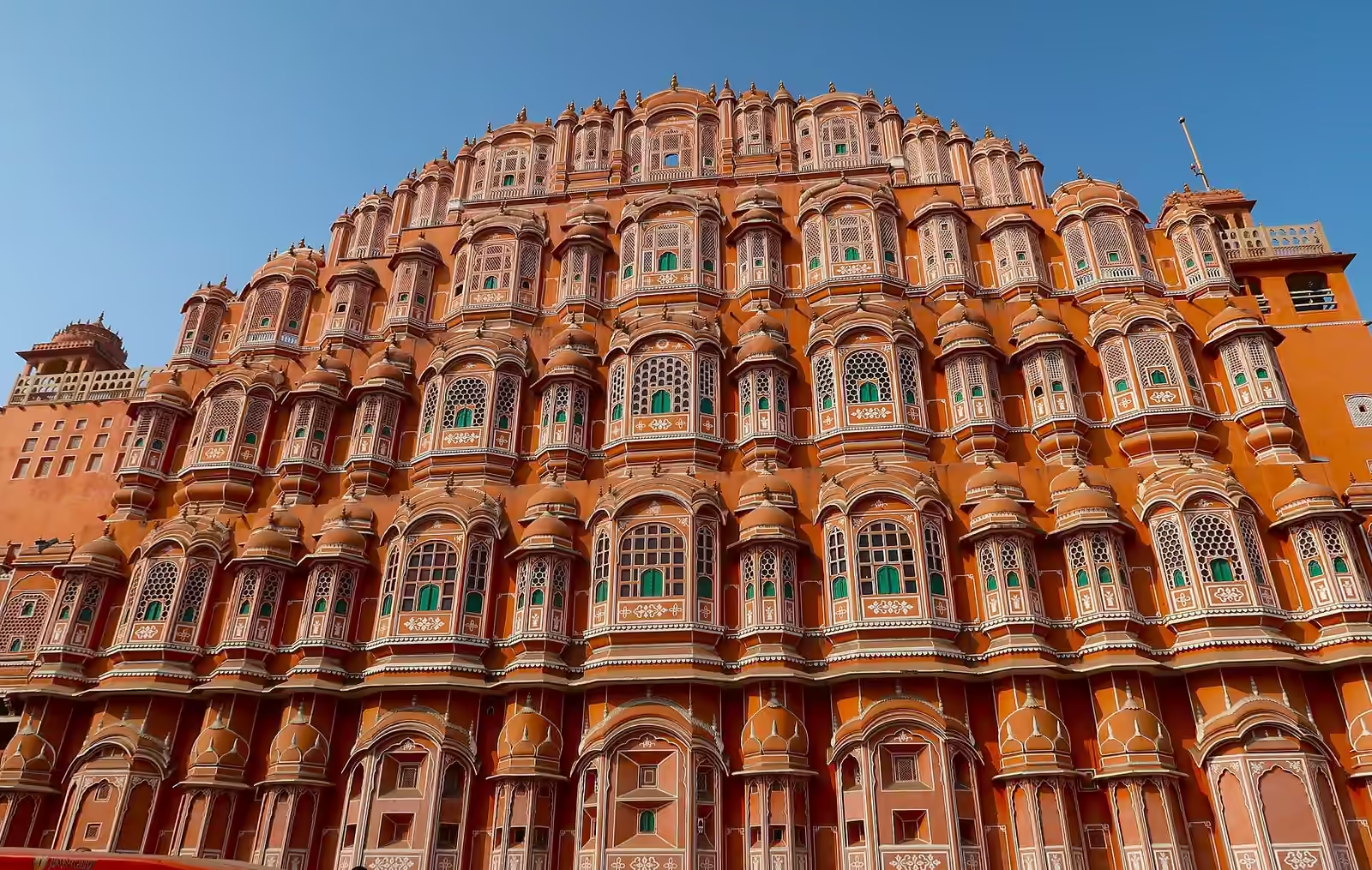
Three cities reveal three different ways of imagining power, beauty and everyday life. Delhi rewards curiosity about layers of history. Agra asks you to look closely at craftsmanship. Jaipur brings royal architecture into conversation with astronomy, workshops and the living city.
The pleasure of this journey lies in giving those differences room. A beautiful courtyard loses something when it becomes the fourth stop before lunch. Plan fewer transitions, choose guides for their knowledge, and allow time to return to the hotel without feeling that you have missed the day.
How many days do you need for the Golden Triangle?
We recommend seven nights: two in Delhi, two in Agra and three in Jaipur. This gives an international arrival some recovery time, keeps the Taj Mahal separate from a long transfer, and allows Jaipur more than a passing glance.
Six nights can work with two in each city, provided you accept a fuller Jaipur schedule and fewer unplanned hours. Eight or nine nights suit travellers who want deeper museum visits, photography, craft appointments or a gentler pace. These are suggested rhythms, not fixed packages; count arrival and departure logistics honestly rather than treating every date as a full sightseeing day.
Which direction should you travel?
Delhi–Agra–Jaipur is a useful starting point. The reverse can work equally well. Let flight arrangements, monument closures and your onward journey determine the direction.
The Taj Mahal closes on Fridays, while Delhi’s Red Fort closes on Mondays. Check those two dates before confirming the route. If flying home through Delhi after Jaipur, a final Delhi night provides a more forgiving connection than attaching a long road transfer to an international departure. Departing from Jaipur may reduce backtracking where suitable flights exist. Taj Mahal visitor information, Red Fort visitor information.
What does a well-paced seven-night itinerary look like?
- Day 1 — Arrive in Delhi. Settle in, rest and choose a short outing only if you feel ready. Arrange room access in advance if arriving before normal check-in.
- Day 2 — Discover Delhi. Explore Old Delhi and the Red Fort in the morning, followed by a proper lunch break and Humayun’s Tomb later. Adjust the order for opening days and traffic.
- Day 3 — Qutb and onward to Agra. Visit the Qutb complex before a daytime road transfer. Keep the Agra evening easy rather than adding another major monument.
- Day 4 — Taj Mahal and Agra Fort. Choose an early Taj visit if conditions suit, return for breakfast and rest, then explore the fort. Move this day if it falls on Friday.
- Day 5 — Fatehpur Sikri and Jaipur. Treat this as a full transfer day with a substantial historical stop and lunch, followed by an unhurried evening at your hotel.
- Day 6 — Amber and time of your own. Give the palace the morning; leave the afternoon for rest or one considered encounter with a craftsperson.
- Day 7 — Jaipur’s royal city. Photograph Hawa Mahal, then visit City Palace and Jantar Mantar, with breaks between them. A focused market walk can replace a museum if that interests you more.
- Day 8 — Continue or depart. Allow a separate travel day for returning to Delhi when required. Add the extra overnight if it protects your onward connection.
For six nights, shorten Jaipur rather than combining the Taj, Fatehpur Sikri and a long transfer into one hurried day. If three major Delhi sights plus Old Delhi feel too much, add a Delhi night or choose the monuments that best match your interests.
What should you see in Delhi?
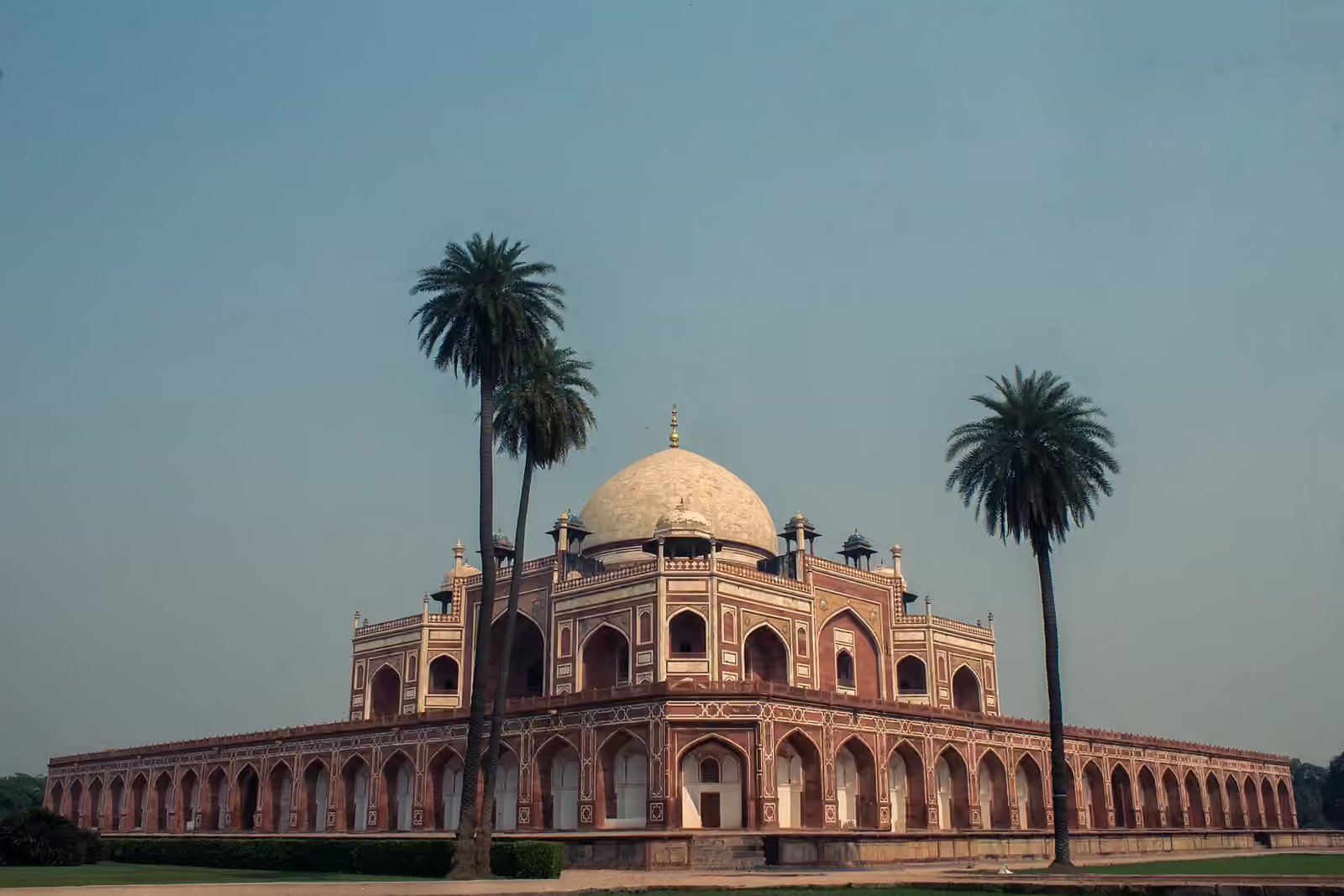
Humayun’s Tomb is a rewarding introduction to Mughal design: a grand building understood through its garden, water channels and carefully arranged approaches. Walk beyond the first frontal view; the changing relationship between the tomb, paths and trees is part of the experience. Delhi Tourism lists it as open daily. Humayun’s Tomb.
At the Qutb complex, look beyond the minaret’s height to its fluted surfaces, inscriptions and the surrounding buildings. The unfinished Alai Minar and Alai Darwaza make the site a conversation between different ambitions, not simply a single tower to photograph. Delhi Tourism’s Qutb guide.
Pair the Red Fort with Old Delhi, but allow time for both. Within the fort, ask your guide to explain how ceremonial spaces organised the imperial court. Outside, choose a defined walk through Chandni Chowk’s lanes rather than trying to absorb the whole district. A short food or market walk is more enjoyable when its pace, walking distance and shopping expectations are agreed beforehand.
Jama Masjid remains a place of worship. Check visitor access around prayers, dress appropriately and follow local instructions. Do not assume a mosque visit fits any spare interval between attractions. Delhi Tourism’s mosque visitor information.
How should you experience Agra beyond the familiar photograph?
At the Taj Mahal, take the long view from the garden before studying the details: inlaid flowers, carved marble and the lattice screen around the cenotaphs. The monument’s force comes from the relationship between these intimate decisions and the whole composition. Sunrise is an option, not a guarantee of clear light or an empty scene. UNESCO’s account of the Taj Mahal.
For photographs, make the central axis one part of the visit. Side paths give different relationships between the tomb, garden and visitors. Pause without blocking movement, and keep the main mausoleum interior camera-free. Official rules prohibit tripods and drones; check the current permitted-items list and leave bulky luggage at the hotel. Taj Mahal visiting rules.
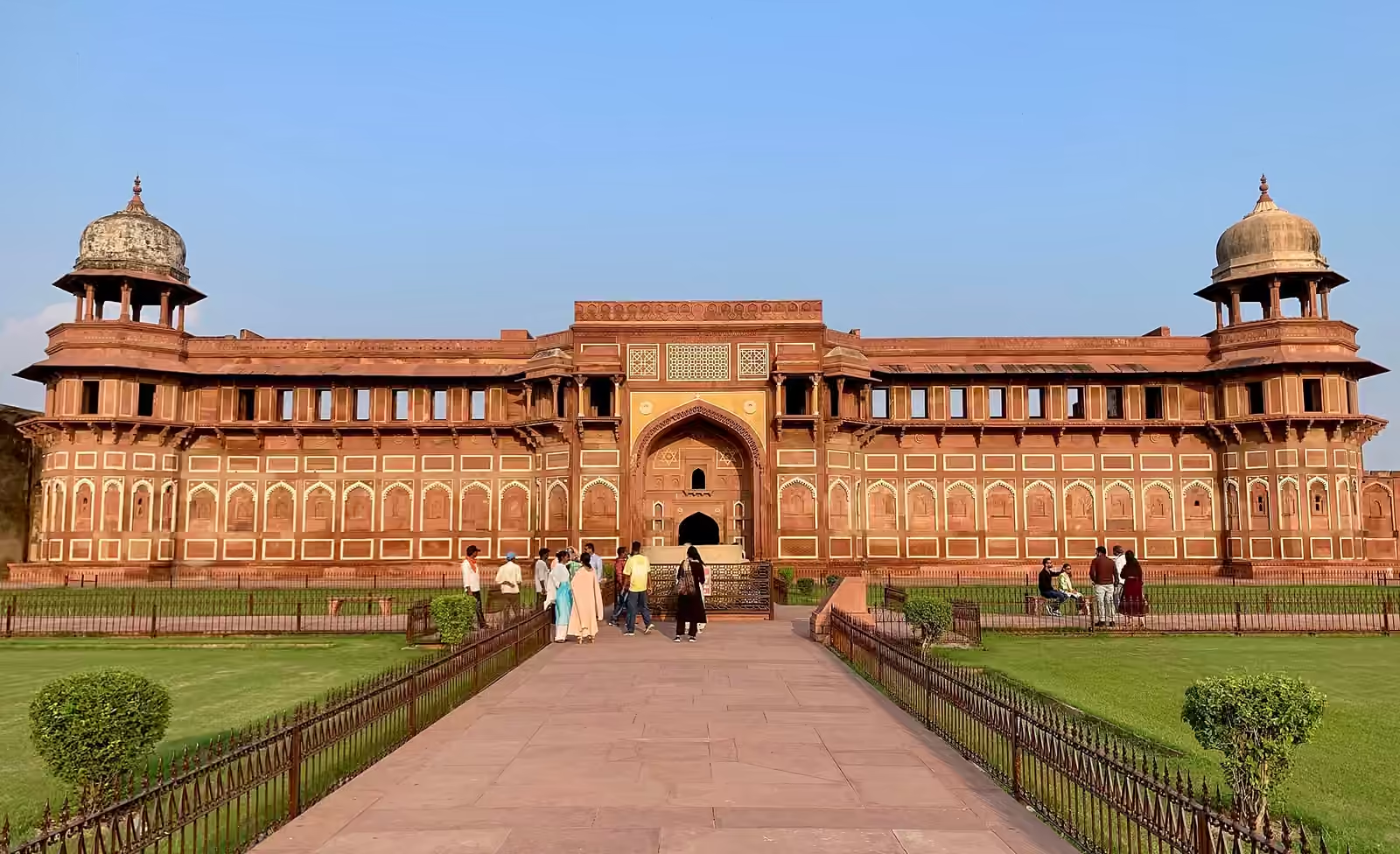
Agra Fort adds the court, residences and defensive architecture missing from a Taj-only visit. Look at the contrast between red sandstone and later marble work. Its public areas normally open every day, so it can help shape an Agra stay that includes Friday. Agra district’s fort guide.
Fatehpur Sikri deserves more than a brief stop between car journeys. Akbar’s planned capital combines courts, palaces and religious spaces; ask how its buildings organised debate, audience and daily life. Allow time to see the imperial complex and understand the adjoining sacred spaces respectfully. Avoid reducing its history to a single story about why it was abandoned. UNESCO’s Fatehpur Sikri account.
What makes Jaipur worth three nights?
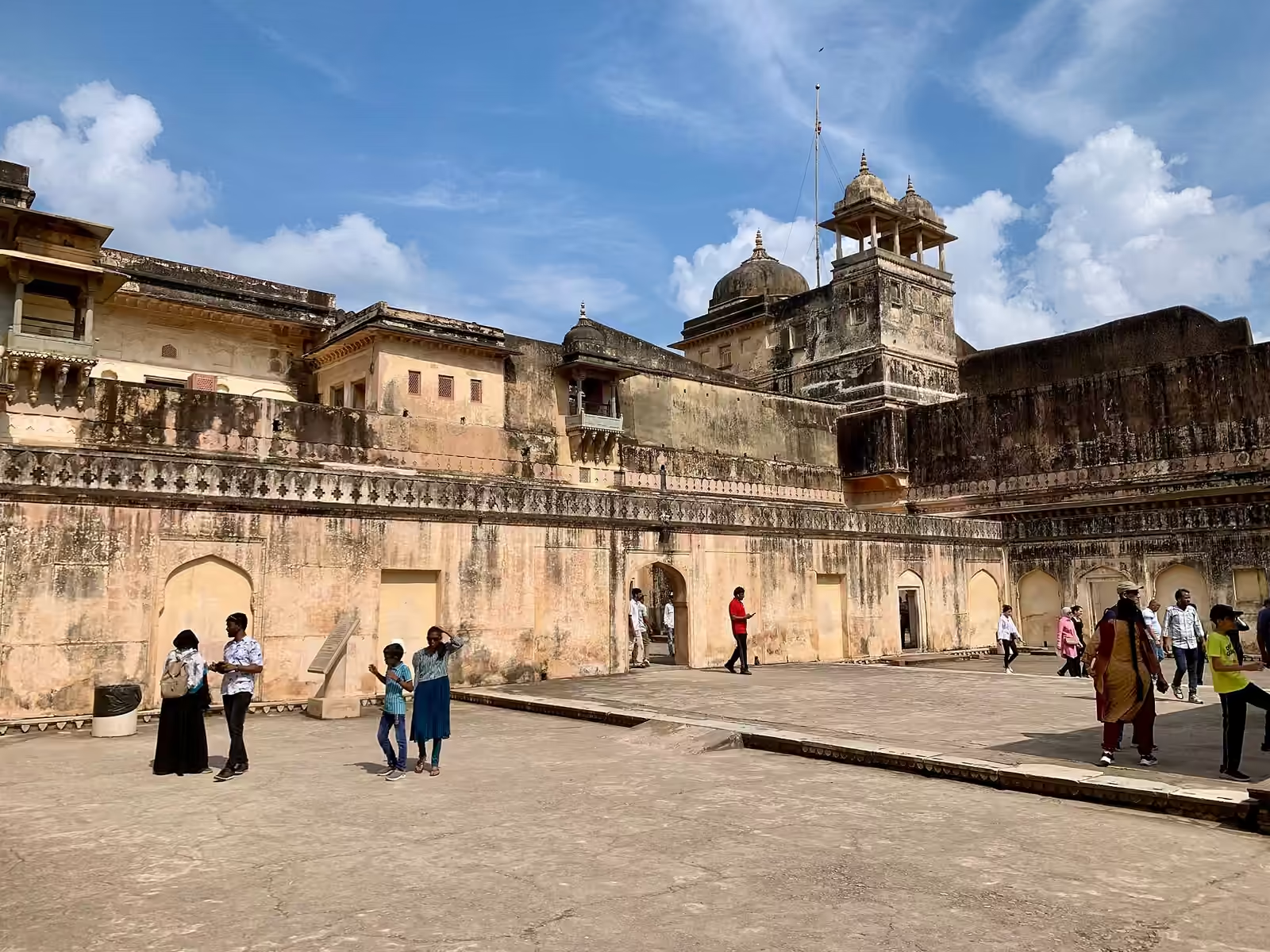
Amber Palace is best approached as a sequence of spaces: the ascent, courtyards, gateways and more intimate interiors. Notice how sandstone and marble work together, then slow down for the mirror decoration of Sheesh Mahal. Decide beforehand how much climbing suits you; a vehicle approach still does not remove every step inside. Rajasthan Tourism’s Amber Palace guide.
Hawa Mahal offers both a celebrated street-facing façade and a separate interior visit. Decide whether you want the photograph, the building or both. For the façade, look for a safe viewpoint with breathing room; any rooftop or café access depends on the premises and should be confirmed, not assumed. Rajasthan Tourism’s Jaipur guide.
At City Palace, select the visit by the areas you want to see. Admission options cover different experiences; a general ticket should not be interpreted as access to every room. The operator lists daily opening with an exception for Dhulandi, the day of colour celebrations associated with Holi. City Palace visitor information.
Give Jantar Mantar a guide who can explain what the instruments do. These large astronomical structures become far more interesting when you understand what their shadows and markings measure. Ask for a demonstration of one instrument rather than a rapid recital of names. UNESCO’s Jantar Mantar account.
Is it better to travel by private car or train?
Use a private vehicle when flexible departures, luggage continuity and a Fatehpur Sikri stop matter. Train travel can suit Delhi–Agra particularly well when a confirmed service fits your day. Compare the complete journey, including transfers, boarding time and baggage handling, rather than the train’s running time alone.
For Delhi–Agra by road, a four-to-six-hour planning window allows more flexibility than a best-case driving estimate; actual time depends on your hotel, traffic, weather and stops. For reference, the Amarvilas operator publishes about 3 hours 45 minutes from Delhi airport to its Agra hotel. That is a route-specific estimate, not a promise for every departure. Operator transfer information.
Reserve most of the day for Agra–Jaipur with Fatehpur Sikri and lunch. Jaipur–Delhi also warrants a substantial transfer allowance. Ask for date-specific timings before fixing appointments at either end.
For rail, confirm the actual station, train, travel date and reserved accommodation through IRCTC. Delhi and Agra have multiple stations; a city name is insufficient for arranging pickup. International bookings should use names and passport details consistently. Avoid planning a tightly timed flight connection around an assumed on-time train arrival. IRCTC’s foreign-tourist booking guidance.
When is the best time to visit?
October to March is a sensible starting window for a route with substantial outdoor sightseeing. Delhi’s official seasonal guidance describes hot summers, a summer monsoon and cooler winter months; Jaipur follows a similarly strong seasonal rhythm. Even in the cooler season, carry sun protection and allow shaded breaks. Delhi’s seasons, Rajasthan’s seasonal guidance.
Winter dawns can be cold, and northern India’s dense fog can obscure views and disrupt transport. Treat a clear sunrise as a possibility, not a booked feature. A later start may be better on a very foggy morning. In the hottest months, shorten outdoor visits and protect the middle of the day for rest. India Meteorological Department’s explanation of northern winter fog conditions.
Where should you stay, and what makes the days easier?
Choose location as carefully as style. In Delhi, weigh sightseeing routes against airport access. In Agra, proximity to the Taj helps an early start; verify the precise room category if a view matters. In Jaipur, a central heritage property and a quieter resort outside the historic centre create different daily rhythms.
Ask about quiet rooms, lift access, showers, early breakfast, laundry and realistic transfer times. For limited mobility, request a monument-by-monument plan: “wheelchair available” does not mean every historic interior is step-free. At the Taj, allow for the restricted vehicle approach and security before reaching the monument. Official Taj access guidance.
For food, choose a focused tasting walk or a relaxed meal over a long checklist of dishes. Explain allergies and dietary preferences before arrangements are made. Keep drinking water available and use a trusted guide to choose suitable stops.
Carry small-denomination rupees alongside cards, and confirm payment methods before buying. In markets, agree what you want to explore; there is no obligation to purchase because a guide introduces a shop. Obtain itemised receipts for significant purchases. Ask before photographing people, follow footwear and dress requirements at sacred places, and leave worshippers space.
Can you add Ranthambore, Varanasi or more of Rajasthan?
Ranthambore: allow two or three additional nights, with transfer time on either side. Secure suitable safari permits before committing the whole extension. Season, zone and closure rules need checking for your dates; neither entry nor a tiger sighting should be presumed. Use the Rajasthan Forest Department’s booking entry point.
Varanasi: allow around three additional nights and a separate flight or rail connection. It is an extension, not an easy excursion from Agra. Time for the riverfront and a quieter visit to nearby Sarnath makes a more balanced stay. Varanasi district’s Sarnath guide.
Further Rajasthan: add three to five nights for one additional region, such as Udaipur or Jodhpur, before considering a longer circuit. Each extra destination needs time beyond its transfer.
Begin with the experiences you care about most: architecture, food, photography, craft, or simply an absorbing first encounter with India. Share those priorities, your dates and your preferred pace with AUREL. The route can then take shape around you.
Continue the discovery
Explore our Golden Triangle Signature Journey, read the detailed Taj Mahal Travel Guide, or continue west with the Rajasthan Palaces Travel Guide. Browse Exceptional Hotels and share your journey ideas.
Research checked 24 October 2026. Confirm opening days, bookings and visiting arrangements for your dates through the linked official sources.
In photographs
Your perspective
A first-party cookie remembers your reaction.
Join the conversation
Loading comments…
Comments are closed for this story.